Follow on WhatsApp

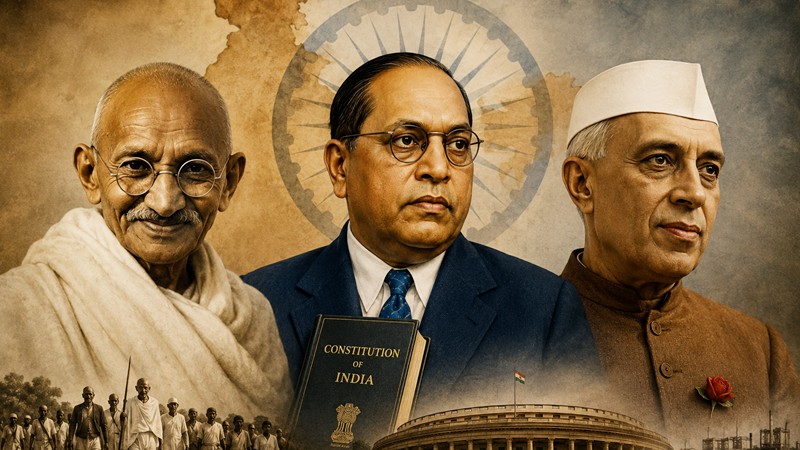
Gandhi, Ambedkar and Nehru: Different Visions of Modern India
India’s journey from colonial rule to a modern democratic republic was shaped by many minds, but few figures influenced its political and intellectual direction as profoundly as Mahatma Gandhi, Dr. B. R. Ambedkar and Jawaharlal Nehru. All three were committed to India’s fr...Read More
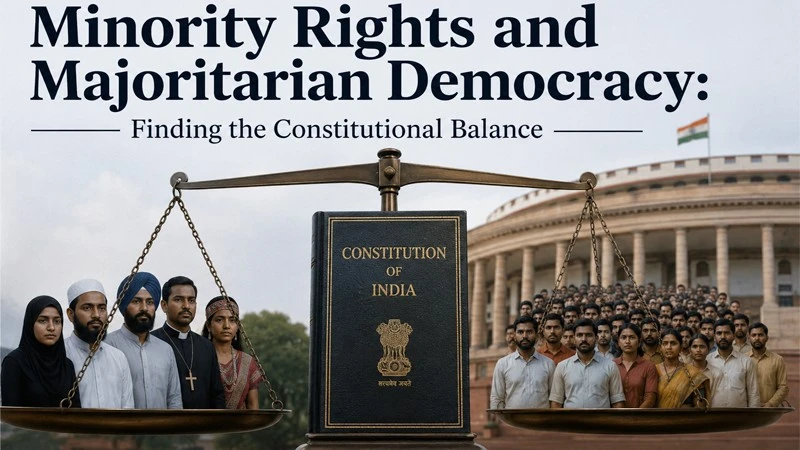
Minority Rights and Majoritarian Democracy: Finding the Constitutional Balance
Democracy is commonly understood as government by the majority. Elections are won by obtaining more votes than one’s competitors, and the party or coalition commanding legislative support generally forms the government. But democracy is not simply the rule of the majority. I...Read More
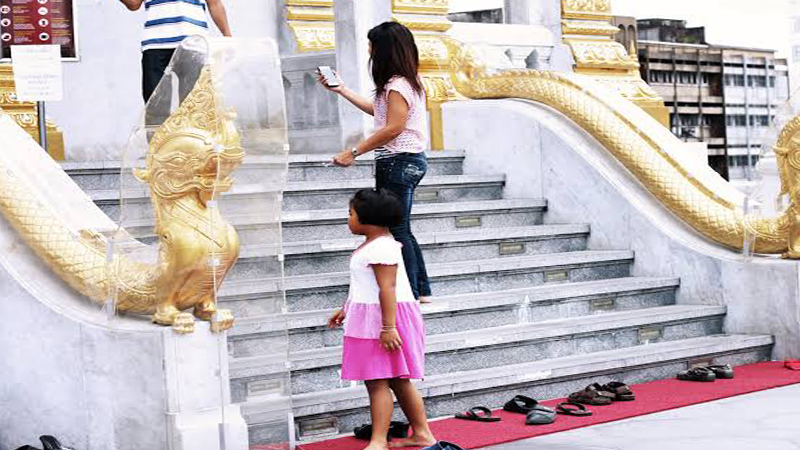
Leaving Shoes Behind, Leaving the Ego Behind
The timeless symbolism of removing footwear before entering sacred spaces lies not in ritual alone, but in cultivating humility, openness, and inner transformation.
Across civilizations and faith traditions, one simple act has survived the passage of time—removing oneâ...Read More

Become a Human Lie Detector: Master the Art of Reading People
One of the major difficulties in life is the problem of reading people. People who have the gift of reading people have much easier time in life than those people who cannot. One of the major reasons why some students do very well in schools and colleges without having a...Read More

Children Are Embracing AI Three Times Faster Than Adults: A New Digital Revolution in Learning and Childhood
Artificial Intelligence (AI) is no longer a futuristic technology reserved for scientists, engineers, or corporate professionals. It has rapidly become a part of everyday life, particularly for children. According to a recent statement by the United Nations Children’s Fund (...Read More

Social Media Ban for Under-16s: A New Era of Digital Regulation
The decision by Australia to ban social media access for children under the age of sixteen marked a historic turning point in digital governance. Now, the United Kingdom has announced similar measures, making it clear that governments across the world are increasingly willing ...Read More
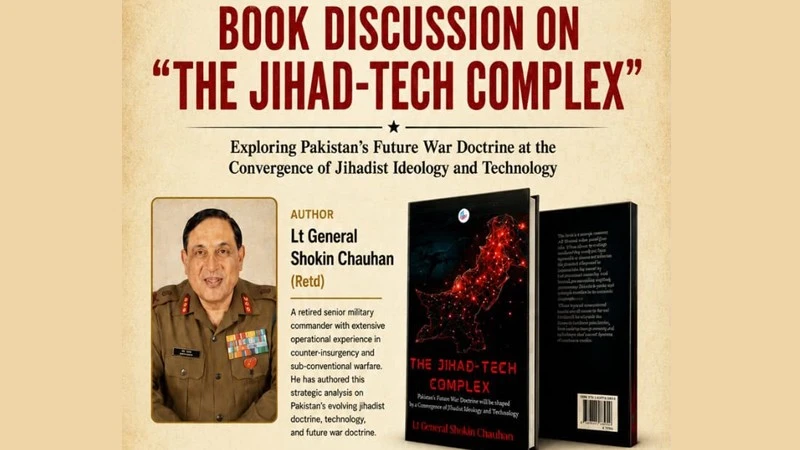
Beyond the “Jihadi” Label: Understanding Jihad, Technology and the Pakistan Debate
A book discussion has been announced at the Foreign Correspondents’ Club of South Asia, New Delhi, on Lt. General Shokin Chauhan’s (Retd.) book The Jihad-Tech Complex: Pakistan’s Future War Doctrine at the Convergence of Jihadist Ideology and Technology. Even before one ...Read More
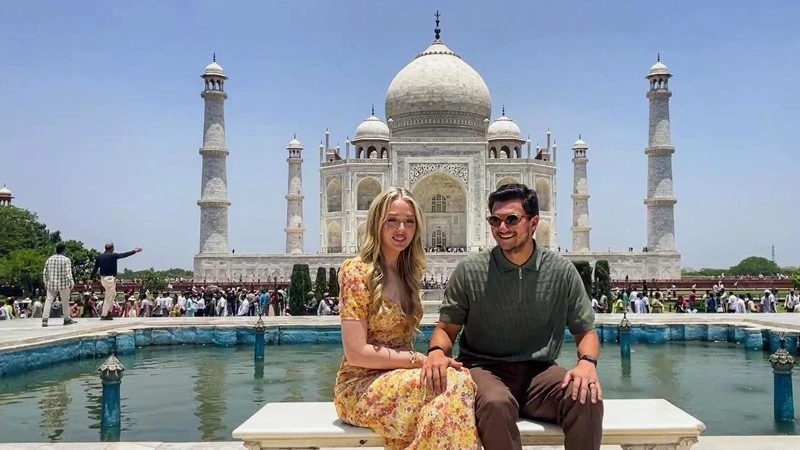
Tiffany Trump Visits Taj Mahal: President Donald Trump’s Daughter Explores India’s Iconic Monument During Private India Tour
In a notable cultural moment blending American political royalty with India’s timeless heritage, Tiffany Trump, daughter of United States President Donald Trump, visited the iconic Taj Mahal in Agra on Saturday, May 30, 2026. Accompanied by her husband, Michael Boulos, the c...Read More
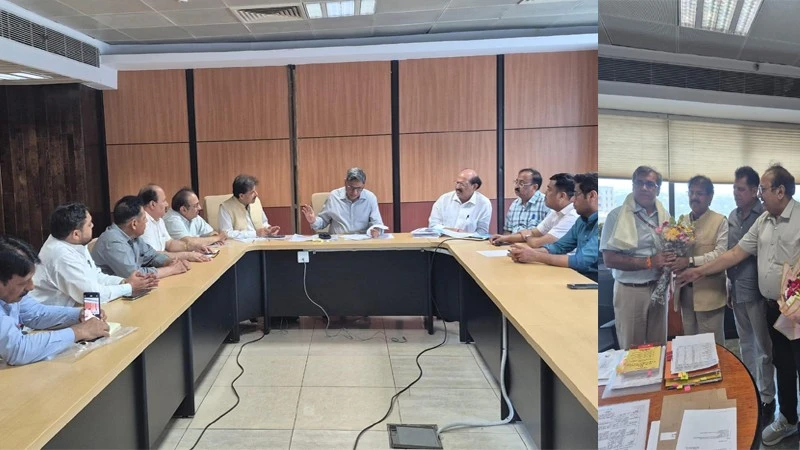
Eid al-Adha and the Spirit of Civic Responsibility in Delhi
(Reported by FI Ismailee)
As Delhi prepares for the sacred festival of Eid al-Adha, commonly known as Bakrid, efforts are being made not only to preserve the religious spirit of sacrifice but also to ensure cleanliness, hygiene, and civic responsibility across the capital. ...Read More
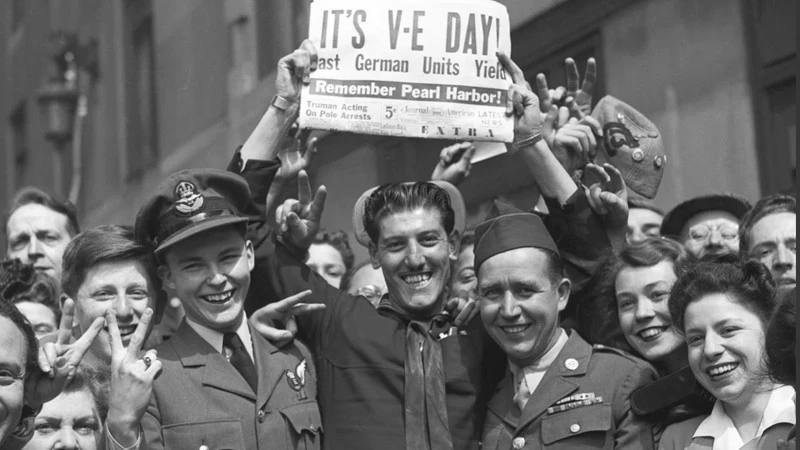
May 8, 1945: The Day Europe Celebrated Freedom
May 8 occupies a special place in world history. It is remembered across continents as VE Day — Victory in Europe Day — marking the formal end of World War II in Europe in 1945. After nearly six years of destruction, bloodshed, dictatorship, genocide, and human suffering, ...Read More

War Never Ends: The Silent Destruction of Humanity
Yesterday, while watching The Fate of a Man at FCC, one realization lingered long after the screen went dark—war does not end when the guns fall silent. Directed by Sergei Bondarchuk and based on a story by Mikhail Sholokhov, the film is not merely a narrative of World War I...Read More
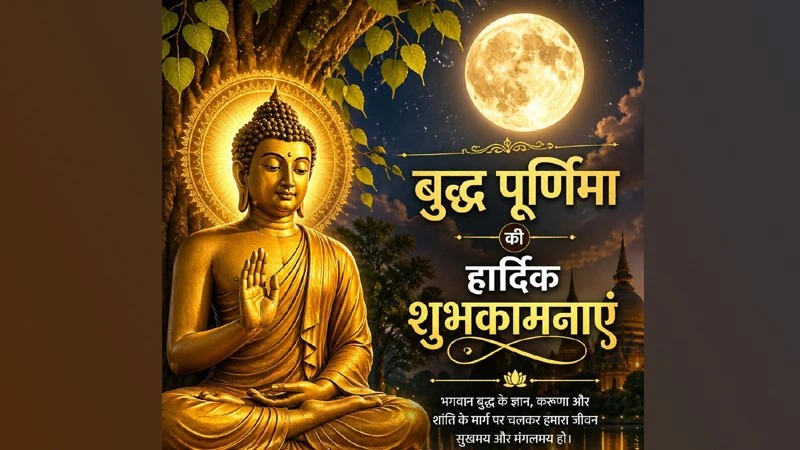
Gautam Buddha, Parinirvana and the Sacred Full Moon of Buddha Purnima
The life of Gautam Buddha is a profound narrative of spiritual awakening, compassion, and liberation from suffering. His journey—from princely comfort to renunciation, enlightenment, and ultimately Parinirvana—continues to inspire millions across the world. Central to this...Read More

Hate at the Border: UK Blocks Entry of US Influencer Over Quran Burning Stunt
In a decision that underscores the delicate balance between free speech and public order, the UK Home Office has barred entry to US-based social media influencer Valentina Gomez after she filmed herself burning a copy of the Quran and shared the footage online. The move reflec...Read More
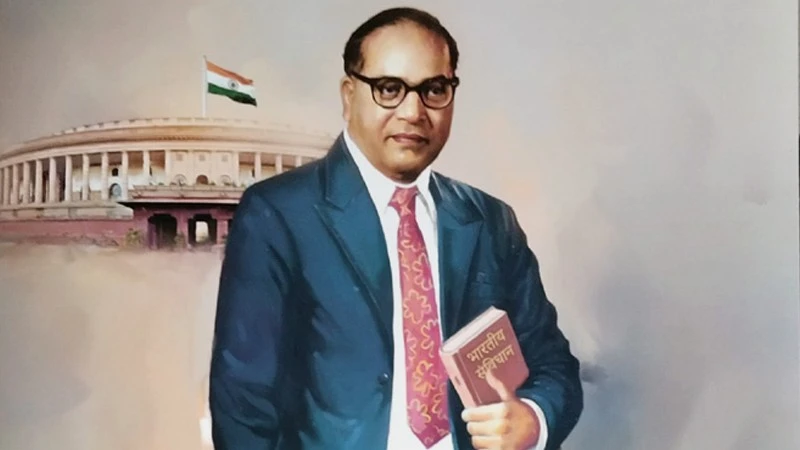
Dr. B. R. Ambedkar: The Architect of the Indian Constitution On the Occasion of 14 April
Every year on 14 April, India commemorates the birth anniversary of Bhimrao Ramji Ambedkar—reverently known as Baba Saheb—a towering figure in the making of modern India. His life stands as a testament to the triumph of intellect, resilience, and justice over deep-rooted s...Read More
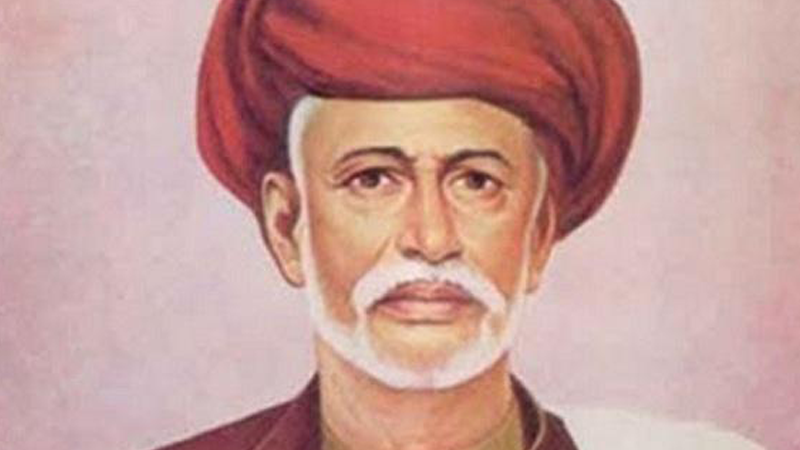
Jyotiba Phule: The Eternal Voice of Social Justice, Equality, and Inclusive Education
On the birth anniversary of Jyotirao Govindrao Phule, India pays tribute to a visionary who fearlessly challenged the deeply entrenched structures of caste, gender inequality, and social exclusion. Born on April 11, 1827, in Pune, Phule’s life was a remarkable journey of res...Read More
Good Friday: A Day of Sorrow, Sacrifice, and Profound Hope
For nearly two billion Christians around the world, Good Friday is one of the most solemn and sacred days on the liturgical calendar. It is a day of mourning, fasting, and intense prayer, commemorating the crucifixion of Jesus Christ and his death at Golgotha. At first glance,...Read More
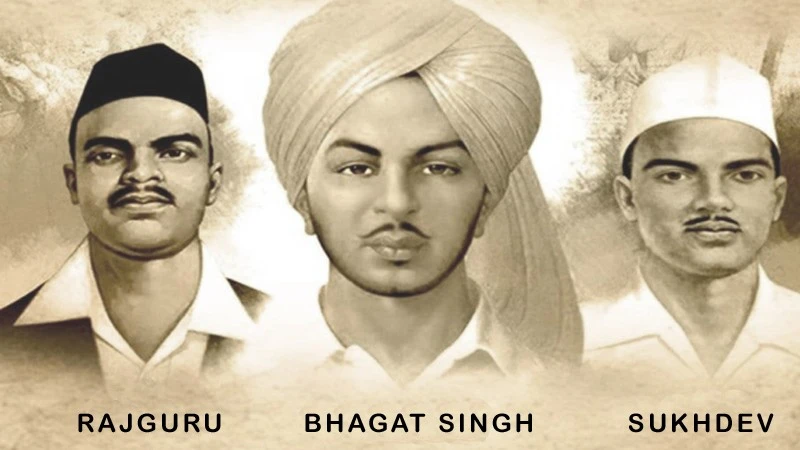
Bhagat Singh: The Martyrdom of a Revolutionary Mind on 23 March
Every year, 23 March is observed as Martyrs’ Day in India, commemorating the sacrifice of one of the most iconic revolutionaries of the freedom struggle—Bhagat Singh. On this day in 1931, Bhagat Singh, along with his comrades Rajguru and Sukhdev Thapar, was executed by the...Read More
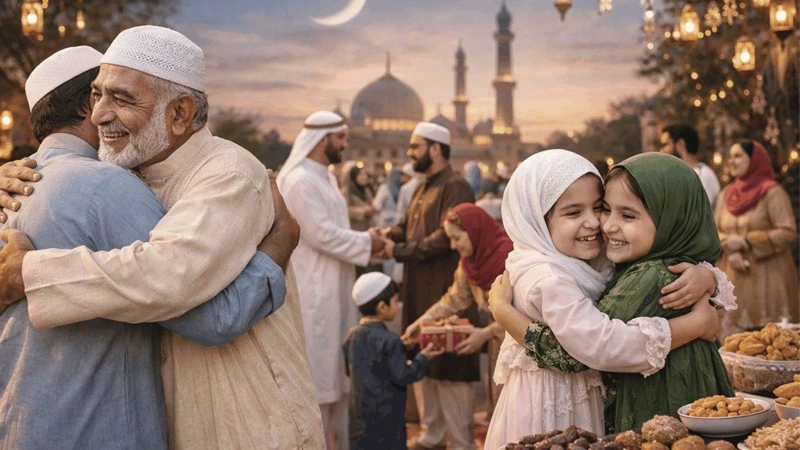
Eid-ul-Fitr: Faith, Fellowship and the Fabric of Composite Culture
Eid-ul-Fitr, one of the most cherished festivals in Islam, marks the end of the holy month of Ramadan—a period of fasting, reflection, and spiritual discipline. Its origin lies in the time of Prophet Muhammad, who is believed to have established the festival in Medina after ...Read More
Patriotism Beyond Slogans: When Love for the Nation Becomes a Political Spectacle
Patriotism is one of the most powerful emotions that binds a nation together. Yet, in modern political discourse, the word is often shouted louder than it is practiced. True patriotism is not an occasional outburst of emotion, nor is it a performance staged through slogans and...Read More
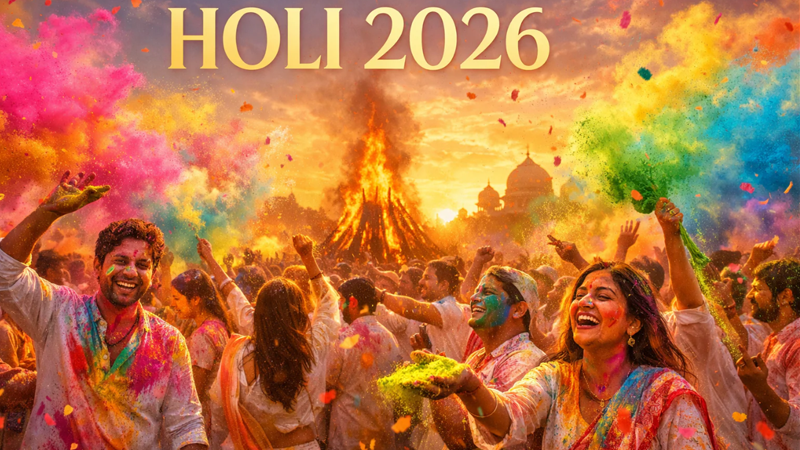
Holi: India’s Joyous Festival of Colors, Love, and Spring
Every year, as the chill of winter gives way to the warmth of spring, India and the world witness one of the most vibrant and joyous celebrations imaginable: Holi. Known universally as the "Festival of Colors," this ancient Hindu tradition is a riotous celebration of life, lov...Read More
The Rise of Islam and a New Civilisational Synthesis
Revelation, Law, and the Making of a World Civilisation
The emergence of Islam in the early 7th century CE represents one of history’s most transformative moments. From a modest beginning in the Arabian Peninsula, a new faith arose that fused divine revelation with a ...Read More
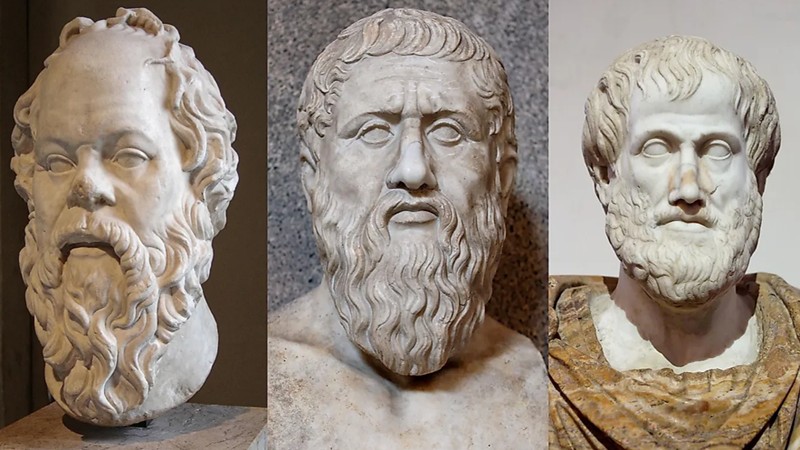
The Enduring Legacy of Socrates, Plato, and Aristotle: Foundations of Thought and the Making of Alexander the Great
The intellectual history of the Western world rests upon three towering figures of ancient Greece — Socrates, Plato, and Aristotle. Their ideas, born in the vibrant city-states of classical Greece, continue to shape modern political systems, educational philosophies, ethics,...Read More
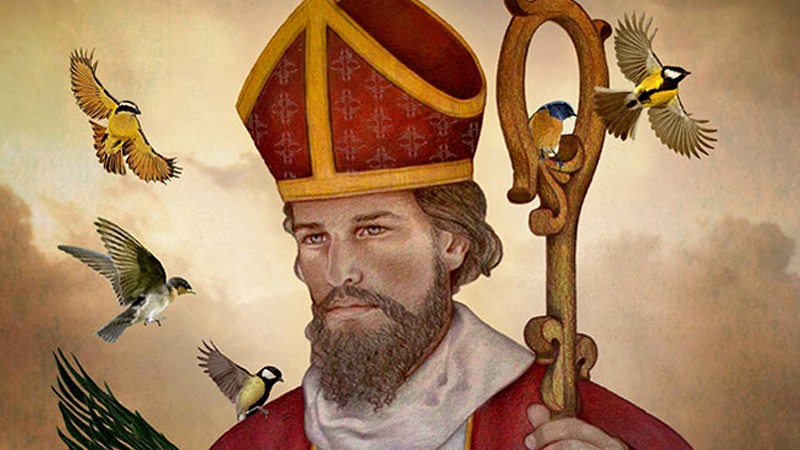
Valentine’s Day: From Martyrdom to Modern Romance
Every year on February 14, millions across the world celebrate Valentine’s Day — a festival now synonymous with love, flowers, heartfelt notes, and romantic gestures. Yet behind the chocolates and roses lies a layered history that stretches back nearly two thousand years. ...Read More
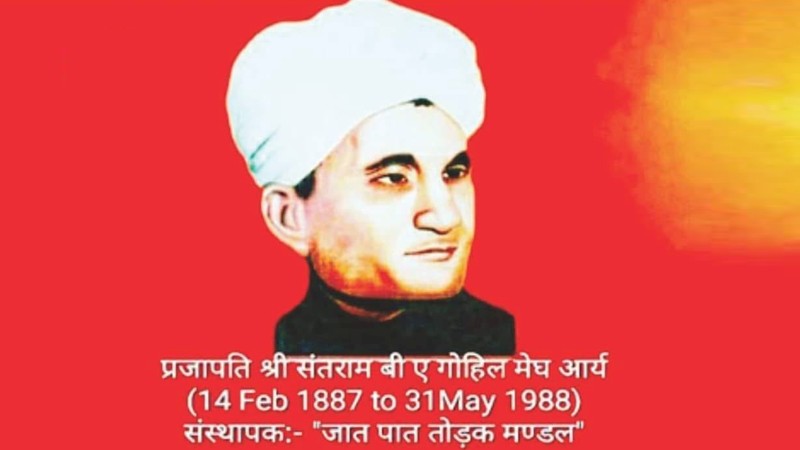
भारत के प्रसिद्ध साहित्यकार,जात पात तोड़क मण्डल के संस्थापक,सामाजिक क्रांति के अग्रदूत,महान समाज सुधारक,महात्मा सन्तराम बीए की 139 वी जयन्ती 14 फरवरी की सभी देशवासियों को हार्दिक शुभकामनाएं
(An article by Balkrishna Prajapati on the ocassion of 139 th birth anniversary)
संतराम बी.ए. के चिंतन पर आने से पहले उनके व्यक्त्वि और कृतित्व के सà...Read More

World Hug Day
Indian communalism remains one of the most persistent and corrosive forces undermining India’s constitutional commitment to secularism, pluralism, and social harmony. On February 12, 2026, as the world observes World Hug Day—a symbolic celebration of affection, unity, and ...Read More
Cycles of Power and the Indian Civilisational Ethos
The history of every nation is a story of rise and fall. Power ascends, consolidates, fragments, and gives way to new arrangements. This rhythm is as natural as the change of day and night or the turning of seasons. No empire, ideology, or ruling order has ever been permanent....Read More

Iran: An Ancient Civilisation with a Living Soul
Iran’s history stretches over 2,500 years, making it one of the longest continuous civilisations in the world. From the rise of the first Persian Empire under Cyrus the Great to the rich cultural flowering of later dynasties and the complex modern republic of today, Iran’s...Read More
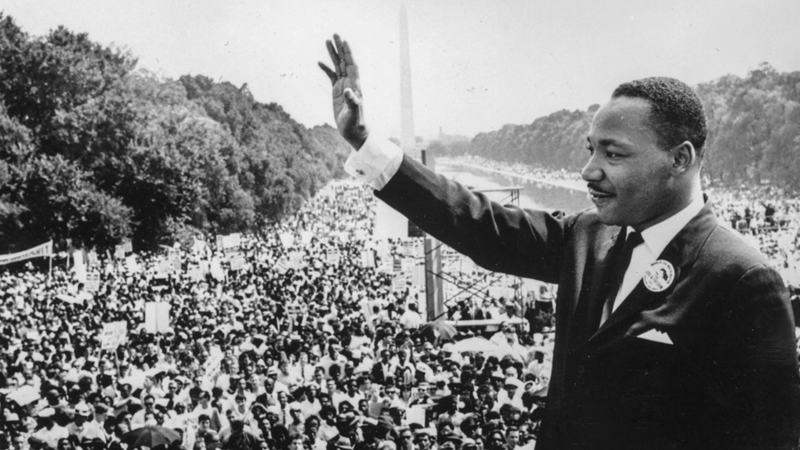
15 January: Celebrating the Birth of Martin Luther King Jr.
Every year on 15 January, the world remembers and celebrates the birth of Martin Luther King Jr. (1929–1968)—one of the most influential leaders of the twentieth century and a global symbol of justice, equality, and non-violent resistance. Though officially commemorated in...Read More
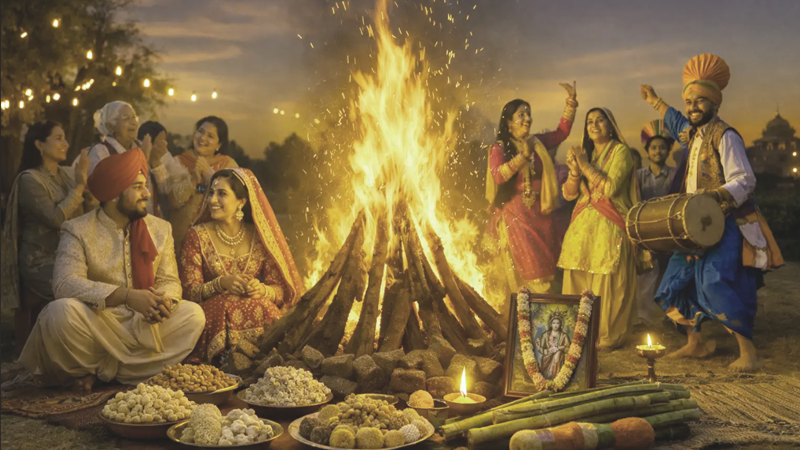
Lohri 2026: Celebrating Harvest, Hope, and Community Across North India
Lohri 2026 is being celebrated with great enthusiasm across North India, marking the arrival of the harvest season and the end of the harsh winter chill. Observed annually on 13 January, Lohri is more than a festival—it is a vibrant expression of agrarian life, seasonal tran...Read More

The First Torchbearer: How Savitribai Phule Forged India's Path to Liberated Learning
Today, we correct the record to honour a luminary whose name is the very synonym of courage and transformative education in India: Savitribai Phule. While her husband, Jyotirao Phule, is rightly celebrated as a visionary, it was Savitribai who, with unwavering resolve, became ...Read More
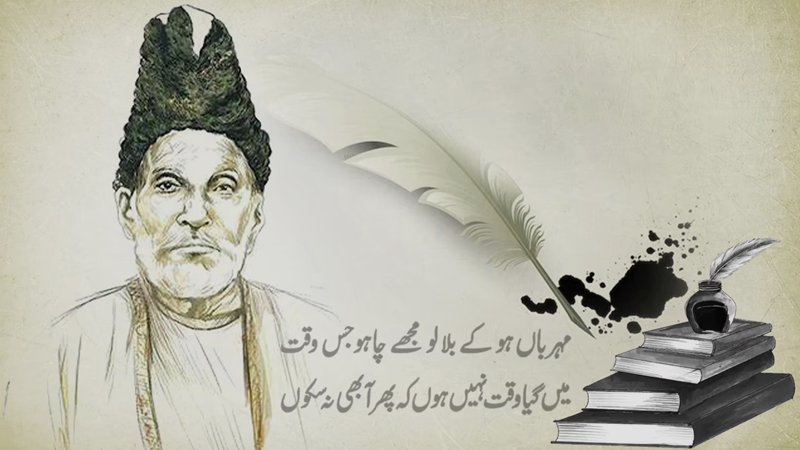
The Undying Flame: Celebrating Mirza Ghalib on His Birthday
Today, as the calendar marks a date in the latter days of December, the air in the lanes of Old Delhi seems to carry a faint, refined echo of Persian couplets and the melancholic melody of Urdu ghazals. It is the birthday of Mirza Asadullah Baig Khan, known to the world simply...Read More

Raising Citizens or Raising Believers? The Changing Purpose of Education
Education has never been a neutral enterprise. It reflects the values a society seeks to preserve and the future it hopes to build. At its best, education prepares individuals to think critically, participate responsibly in public life, and respect diversity. At its worst, it ...Read More
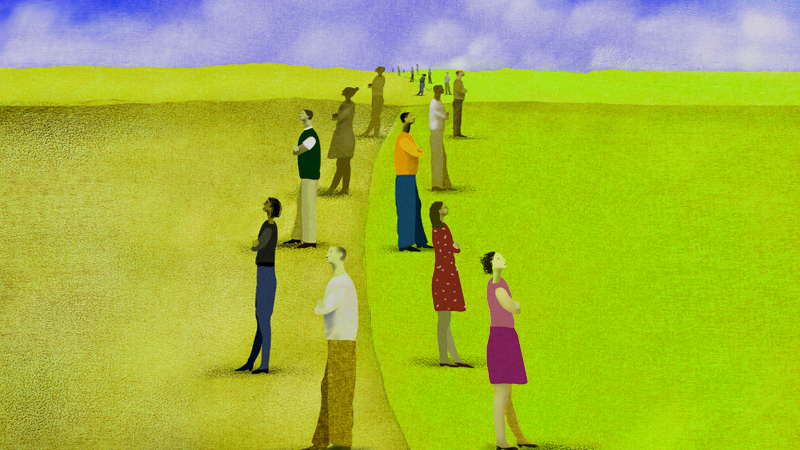
The Long Shadow of Hate: What Polarisation Does to Everyday Social Trust
Polarisation is often discussed in the language of elections, parliaments, and television debates. It is measured in vote shares, hashtags, and headline-grabbing confrontations between political rivals. Yet its most corrosive impact is felt far from these arenas, in the quiet,...Read More

Communal Narratives and the Everyday Erosion of Indian Pluralism
Indian pluralism was never an abstract ideal; it was a lived, everyday reality. For centuries, people of different faiths, languages, castes and cultures shared neighbourhoods, festivals, livelihoods and public spaces. The Indian Constitution later gave this lived experience a...Read More

Ambedkar’s Final Message: Let Not the Caravan Roll Back – A Bitter Truth That Still Burns in 2025
On that sweltering Delhi evening of 31 July 1956, Babasaheb Bhimrao Ambedkar was a broken man in front of his most trusted aide, Nanak Chand Rattu. His body had almost given up; every movement was painful, but the agony in his heart dwarfed the physical torment. What he dictat...Read More

Religious Polarisation and the Everyday Erosion of Social Harmony
Religious polarisation is no longer an occasional eruption in India’s public life; it has seeped into the ordinary rhythms of everyday existence. What was once limited to political speeches or election seasons has now permeated neighbourhoods, workplace conversations, social...Read More

Beyond Quotas: A Comparative Look at Representation for Marginalized Groups in India, the U.S., and the World
The debate over how to integrate historically marginalized communities into a nation’s economic mainstream is one of the most complex and contentious in public policy. At its heart lies a fundamental question: is it enough for a state to simply prohibit discrimination, or mu...Read More

The Making of Modern Bahujan Politics and Its Global Parallels
Bahujan politics in India is not a mere electoral phenomenon—it is a historic social movement rooted in centuries of exclusion, resistance, and the quest for dignity. Emerging from the struggles of Scheduled Castes, Scheduled Tribes, Other Backward Classes, and religiously m...Read More

The New Rural Economy: Aspirations Beyond Agriculture
For decades, India’s rural economy was synonymous with agriculture. Villages were imagined as landscapes of fields, farmers, and monsoon-dependent livelihoods. But the India of the 2020s and 2030s is experiencing a profound transition—a silent but powerful socio-economic c...Read More

Cultural Crossroads: When Indian Heritage Meets a Globalized World
India has never been a stranger to cultural encounters. For two millennia, its ports welcomed Greeks, Arabs, Persians, Turks, Portuguese, and British; its mountains absorbed Buddhist monks from China and Zoroastrian refugees from Persia. Sanskrit travelled to Java, chilli cros...Read More

Reverse Migration in India: A New Civilisational Cycle Begins
India is on the threshold of a silent but significant socio-economic shift — a reverse migration wave, where the movement of people will increasingly be from cities back to small towns and villages. This phenomenon is not merely a reaction to economic pressures but a natural...Read More

The Age of Compassion: Why Empathy Will Define India’s Future
In a country of 1.4 billion people speaking more than 1,600 languages, where a billionaire and a daily-wage labourer can live 500 metres apart, the idea of a shared future often feels like a polite fiction. Yet something quietly revolutionary is happening across India: empathy...Read More

The New Middle Class Anxiety: Jobs Without Security, Growth Without Stability
India’s middle class has long been seen as the backbone of the nation’s economic rise—ambitious, industrious, aspirational, and increasingly urban. But beneath the outward confidence lies a growing, uneasy truth: the middle class today is experiencing a new and pervasive...Read More

Bridging the Urban–Rural Divide: India’s Next Social Revolution
India’s story of development has long been narrated through two parallel realities—one defined by the glass towers of cities, the rush of metro stations, and the spread of digital industries; the other by the agrarian rhythms of its villages, inadequate infrastructure, and...Read More

The Crisis of Loneliness: A Silent Mental Health Epidemic in Urban India
Loneliness, once seen as a personal emotion confined to the elderly or socially withdrawn, has emerged as a silent epidemic across urban India. In cities filled with people, noise, and movement, an increasing number of individuals—young professionals, homemakers, migrants, s...Read More

Indira Gandhi: The Iron Lady Who Shaped Modern India
On 19 November 1917, a daughter was born to Jawaharlal Nehru and Kamala Nehru in Allahabad. They named her Indira Priyadarshana. From her earliest years she lived inside the whirlwind of India’s freedom movement. While other children played with dolls, young Indira organized...Read More

Bahujan Movement in India and Its Global Parallels
The Bahujan movement in India is one of the world’s most profound struggles for social justice, dignity, and equality. Emerging from the deep-rooted structure of caste hierarchy, it represents the voices of those historically placed at the margins—Dalits, OBCs, Adivasis, a...Read More

The Eternal Light: Understanding Guru Nanak Jayanti and Prakash Utsav
A Beacon for Humanity
In the serene landscape of the Punjab, under the canopy of a starlit night in 1469, a light dawned that would forever change the spiritual map of the world. This light was Guru Nanak Dev Ji, the founder of Sikhism. His birth anniver...Read More

The Vanishing Public Intellectual
Why India’s Thinkers and Writers Are Going Silent
Once, the Indian public sphere was enriched by voices that questioned, provoked, and illuminated the conscience of the nation. From Gandhi and Tagore to Nehru and Ambedkar, from M.N. Roy to Amartya Sen...Read More
Faith, Power, and the Nation: A Journey from Compassion to Control
Religion, in its true essence, was never created to divide or dominate—it was a moral compass meant to guide human conduct, to ensure justice, compassion, and welfare of society. Every faith, from its origin, sought to uplift humankind. Whether it was the message of equality...Read More
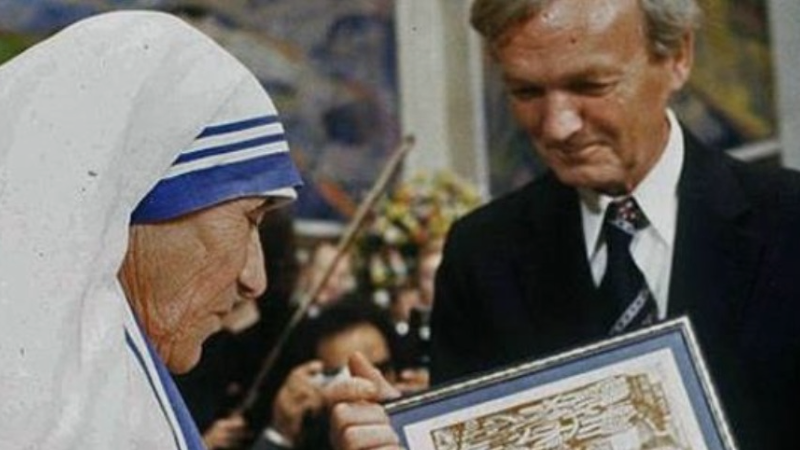
Mother Teresa: The Saint Who Gave Humanity a Human Face
In the long chronicle of human history, few figures have managed to awaken the moral conscience of the world as powerfully as Mother Teresa of Calcutta. Born Agnes Gonxha Bojaxhiu in 1910 in Skopje (now in North Macedonia), she left behind the comfort of her Albanian home and ...Read More
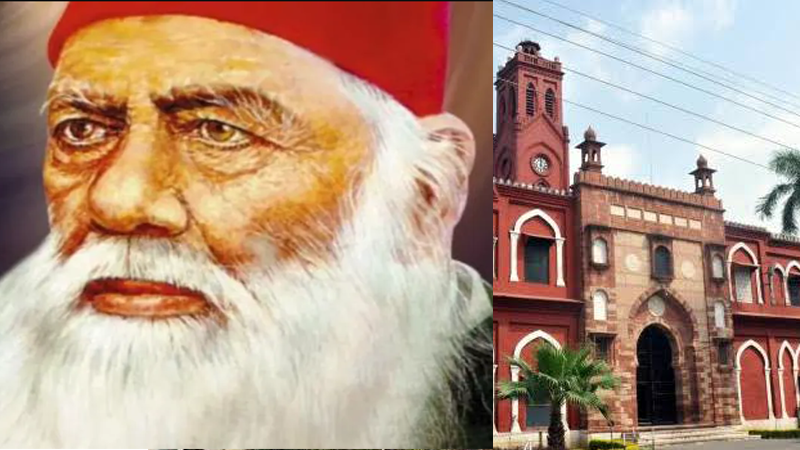
Pen Against Prejudice: Sir Syed's Fight for Modern Education
Sir Syed Ahmad Khan (1817-1898) was a visionary reformer who dedicated his life to the educational and social advancement of the Muslim community in 19th-century India. His legacy is profoundly embodied in the Aligarh Muslim University, an institution that stands as a testamen...Read More

The Happiness Puzzle: Why Does Finland Flourish While India and Neighbors Lag?
What Makes a Nation Happy? Finland's Secret and India's Challenge
The World Happiness Report, published by the University of Oxford's Wellbeing Research Centre in partnership with Gallup and the UN Sustainable Development Solutions Network, is ...Read More
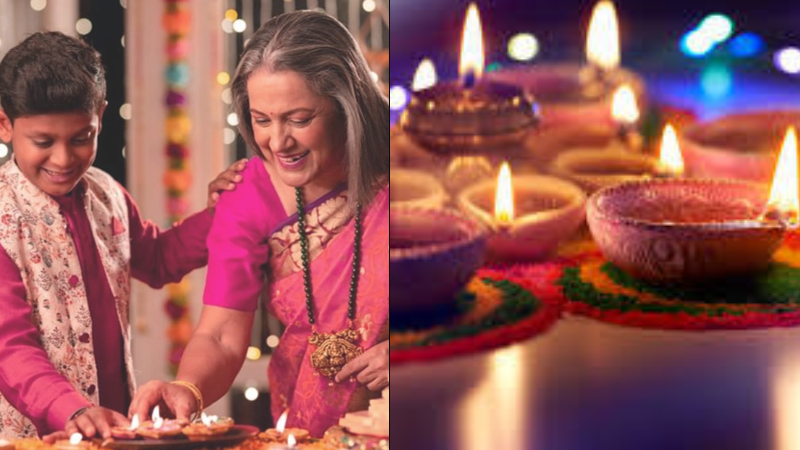
Diwali: The Eternal Festival of Lights - Origins, Tales, and Significance
“When you light up another’s path, your own path gets lit up effortlessly too.” — Ancient Indian Proverb
Diwali, also known as Deepavali, is more than just a festival, it is a profound experience that illuminates the hearts and homes...Read More
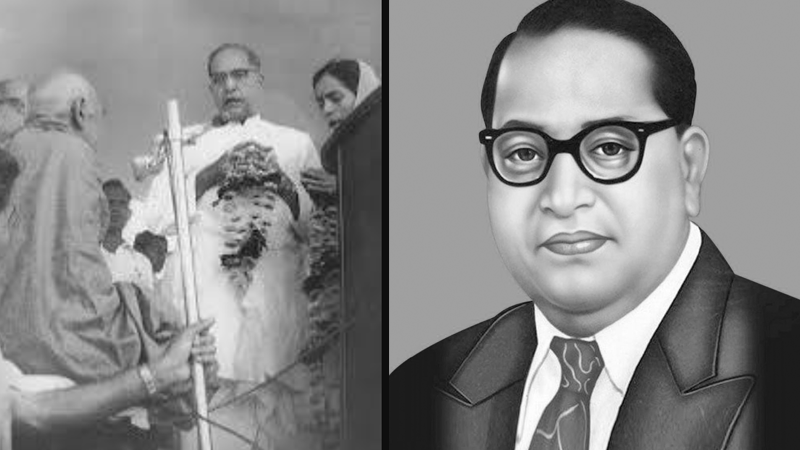
Breaking the Sacred Thread: Ambedkar’s Declaration of Independence
On October 14, 1956, Dr. B.R. Ambedkar, the principal architect of the Indian Constitution, made a profound statement against social injustice by embracing Buddhism in a historic mass conversion ceremony, marking the culmination of his lifelong struggle against caste oppressio...Read More
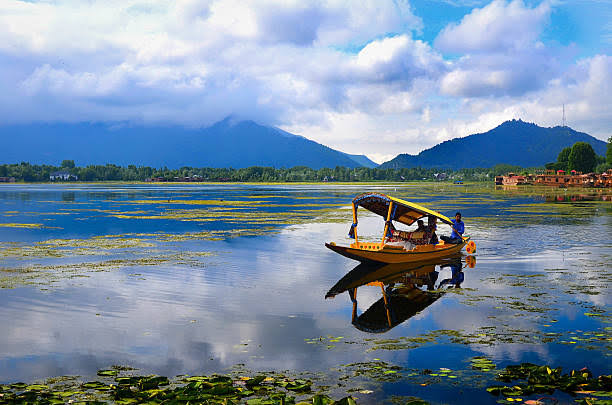
Terrorism and Beyond Terrorism: Jammu & Kashmir’s Unfinished Struggle for Normalcy
For more than three decades, the word terrorism has become synonymous with Jammu and Kashmir. It has dominated the headlines, shaped the policies of successive governments, and influenced how the rest of India perceives the region. Yet, for all its devastating impact, terroris...Read More