Follow on WhatsApp

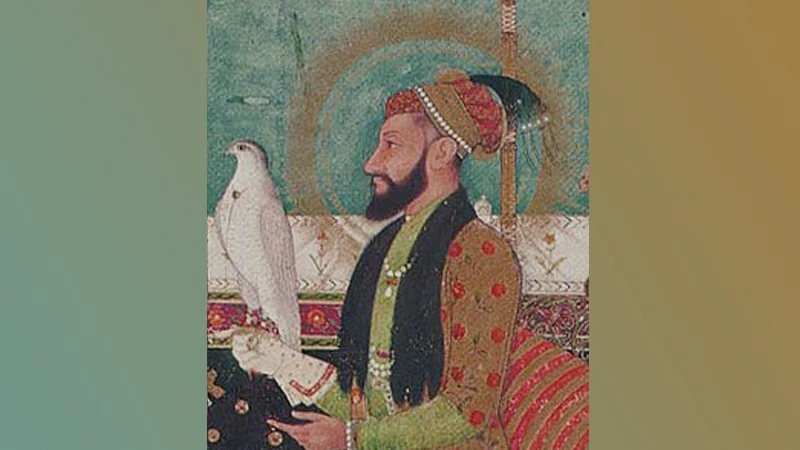
Aurangzeb Revisited: Can History Be Separated from Contemporary Politics?
Few figures in Indian history generate as much emotion as Aurangzeb. More than three centuries after his death, he continues to appear in political speeches, school debates, social-media arguments, public monuments and electoral rhetoric. To some, he represents religious intol...Read More
Criminalisation of Politics: Why Has India Failed to Solve the Problem?
The criminalisation of politics is one of the most serious challenges confronting Indian democracy. A democracy depends not merely on elections, but on the quality and integrity of those who seek public office. Yet candidates facing serious criminal allegations continue to rec...Read More
Communalism in India: How Political Narratives Manufacture Social Conflict
Communalism is among the most persistent threats to India’s social harmony. A country as diverse as India cannot survive on the principle that one religious, linguistic or cultural community must dominate another. Yet communal politics continues to find fertile ground, parti...Read More
The Idea of India: Nation, Civilisation or Constitutional Republic?
India is often described in three different ways: as a nation, as an ancient civilisation, and as a constitutional republic. Each description is correct, yet none of them, by itself, fully captures the idea of India. The uniqueness of India lies precisely in the coexistence of...Read More
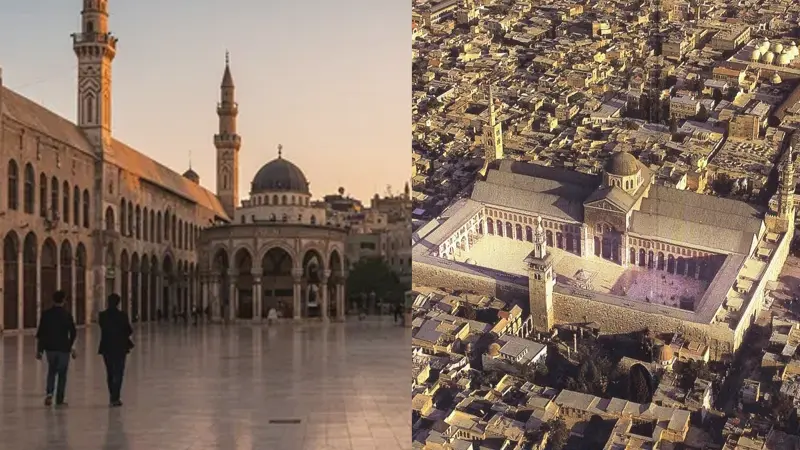
Damascus: From the City of Civilisations to the Crossroads of Survival
For me, Damascus was never merely a city on the map. Long before I opened history books or followed international affairs as a journalist, I had heard of Damishk from my grandfather. He spoke of it with reverence, almost as if it were a living chapter of humanity itself—a ci...Read More
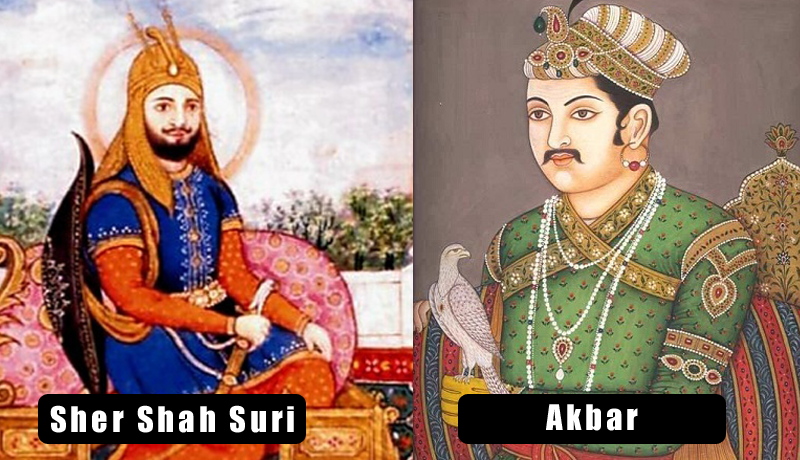
From Sher Shah Suri to Akbar: The Evolution of India’s Land Revenue System
The history of India is often narrated through the achievements of great emperors, with Sher Shah Suri and Akbar occupying distinct places in that narrative. Akbar is rightly remembered for consolidating the Mughal Empire and establishing an efficient administrative system. Ho...Read More
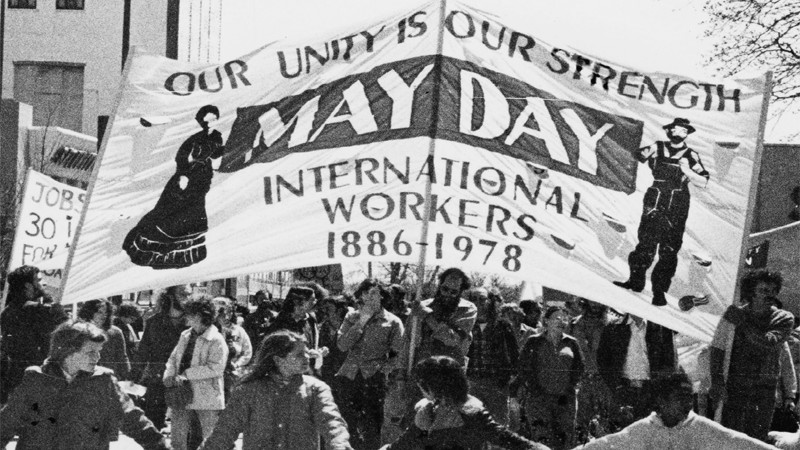
May Day: From Ancient Fertility Rites to the Global Fight for the Eight-Hour Day
For many in the Northern Hemisphere, May 1st evokes images of maypoles, fresh flowers, and the joyous arrival of spring. Yet, for millions more across the globe, the same date is a day of marching workers, raised fists, and demands for economic justice. This duality—a festiv...Read More
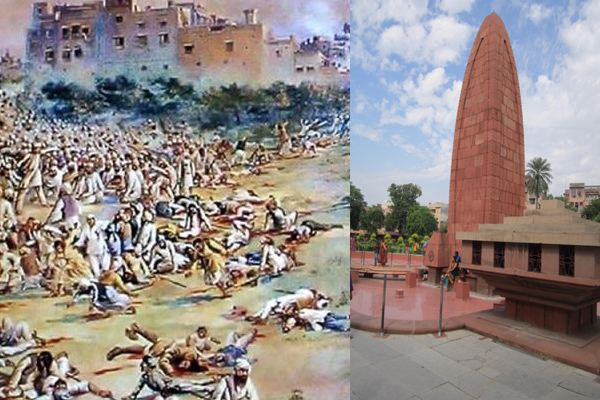
Blood on Baisakhi: The Jallianwala Bagh Massacre That Shook the Conscience of a Nation
On 13 April 1919, the sacred festival of Baisakhi turned into one of the darkest days in India’s colonial history. What unfolded at Jallianwala Bagh was not merely an act of brutality but a calculated demonstration of imperial arrogance that altered the course of India...Read More
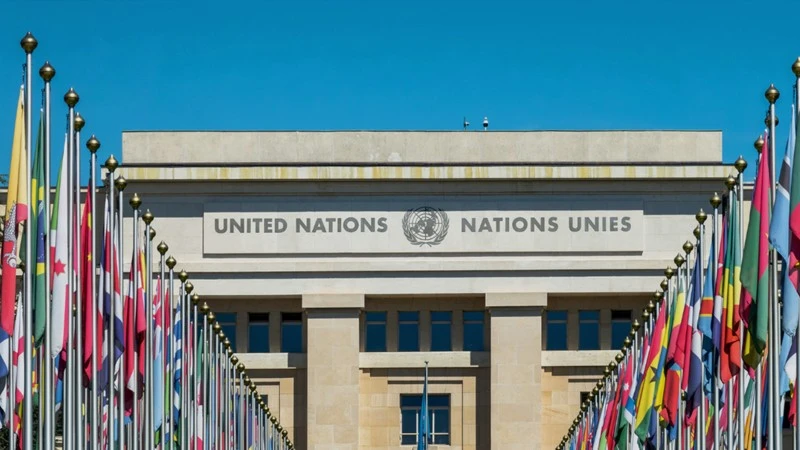
The Decline of Global Institutions: Is the UN Losing Relevance?
In the aftermath of the World War II, the world sought to build a framework that could prevent future conflicts and foster international cooperation. The result was the creation of the United Nations (UN), envisioned as a guardian of peace, security, and global order. For deca...Read More
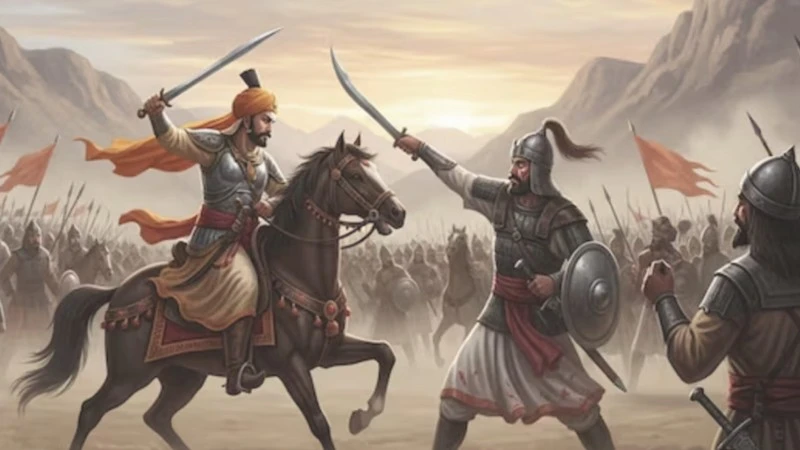
The Huns: Origin, Invasion of India, and Their Defeat by Skandagupta
The story of the Huns is one of relentless movement, fierce invasions, and eventual resistance by powerful empires. Their entry into India during the 5th century CE marked a turbulent phase in ancient Indian history, testing the strength of the Gupta Empire. The resistance led...Read More
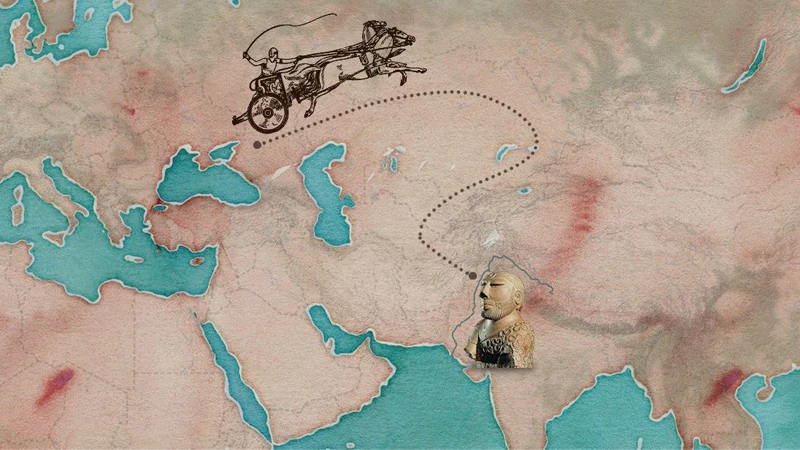
India and Iran: Shared Aryan Roots and a Civilisational Bond
The relationship between India and Iran is not merely a product of modern diplomacy but a deep civilisational connection rooted in antiquity. Stretching back thousands of years, this relationship is shaped by shared origins, linguistic affinities, cultural exchanges, and endur...Read More
March 26: Celebrating the Birth Anniversary of Emperor Ashoka the Great
Every year on March 26, India commemorates the birth anniversary of Emperor Ashoka the Great, one of the most remarkable rulers in world history. The third emperor of the Mauryan dynasty, Ashoka transformed from a fierce warrior into a champion of peace, leaving behind a legac...Read More
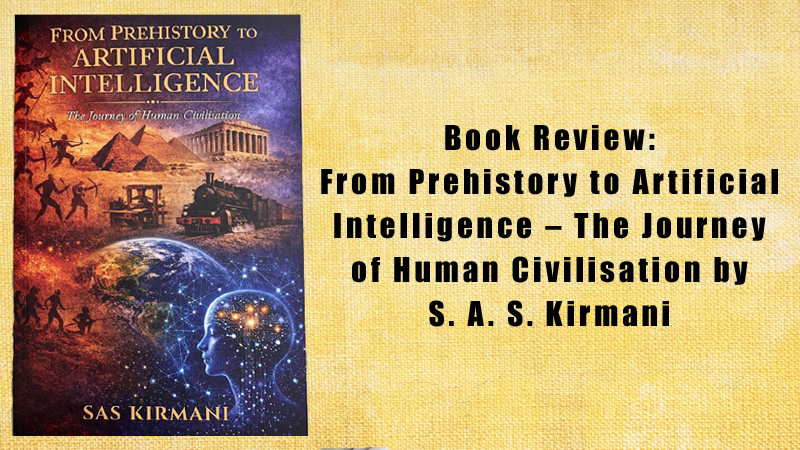
Book Review: From Prehistory to Artificial Intelligence – The Journey of Human Civilisation by S. A. S. Kirmani
S. A. S. Kirmani’s From Prehistory to Artificial Intelligence is an ambitious and intellectually engaging work that attempts to compress the vast sweep of human history into a single, coherent narrative—one that begins in the dim caves of prehistory and culminates in the d...Read More
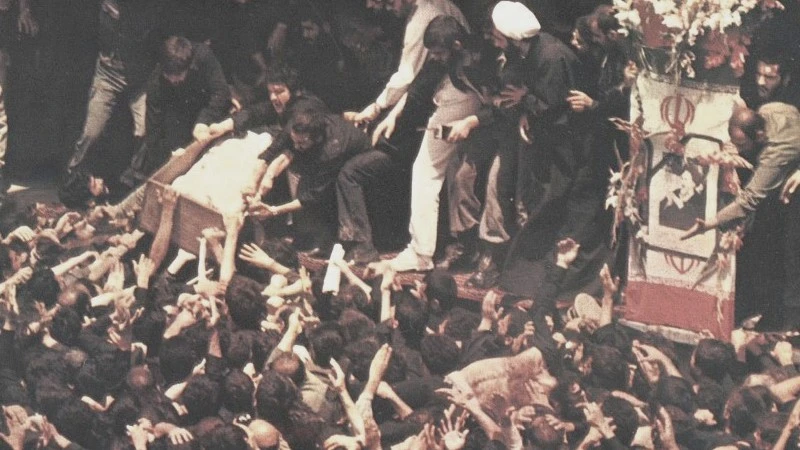
Betrayal Within: How Treachery and Internal Spies Have Changed the Fate of Wars
History repeatedly teaches a painful lesson: many wars are not lost only on the battlefield but in the hidden corridors of betrayal. Empires have collapsed, revolutions have failed, and leaders have fallen not merely because of enemy strength but because of treachery from with...Read More
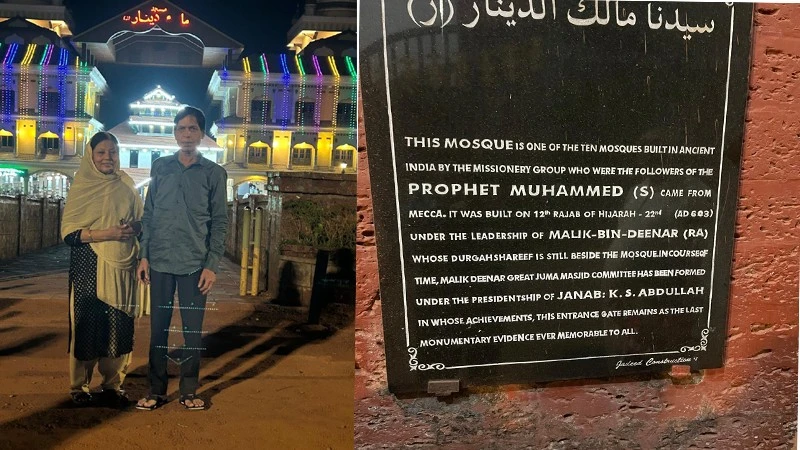
The Historic Legacy of Malik Dinar Mosque in Kasaragod
In the northern district of Kasaragod in the Indian state of Kerala stands one of the most historically revered Islamic monuments in the Indian subcontinent—the Malik Deenar Juma Masjid. This mosque is not merely a place of worship; it represents a profound historical connec...Read More
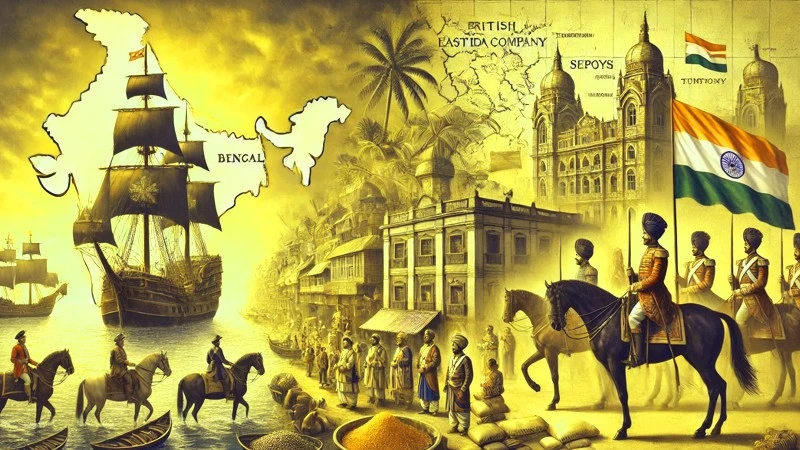
Three Decisive Wars that Established the Rule of the East India Company in India
The rise of the East India Company from a trading corporation to a political power ruling vast territories in India was neither sudden nor accidental. It was the result of a series of decisive military confrontations that gradually weakened Indian rulers and strengthened Briti...Read More
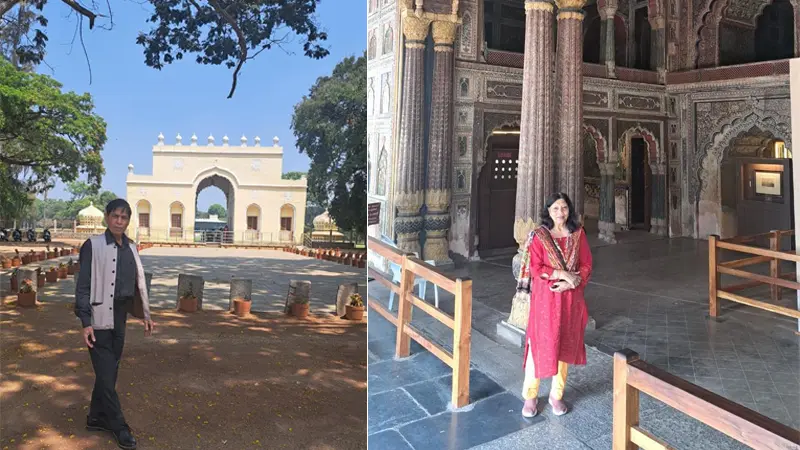
Tipu Sultan: The Tiger of Mysore and a Defender of India’s Freedom
History remembers certain individuals not merely for the power they held but for the courage with which they defended their land and people. Among such towering figures stands Tipu Sultan, the legendary ruler of Mysore, often called the “Tiger of Mysore.” His life remains ...Read More
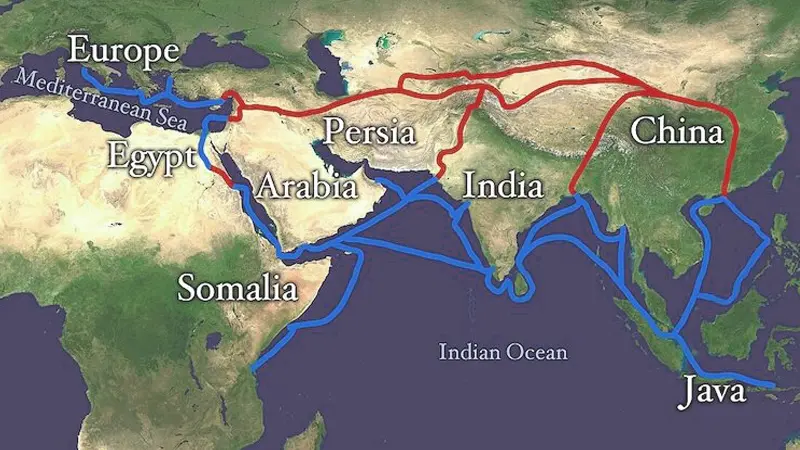
Trade Routes and the Meeting of Worlds
(Silk Road, maritime exchange, cultural transmission)
The ancient trade networks known as the Silk Road and its maritime counterparts represent one of history’s greatest “meetings of worlds.” These routes connected distant civilizations across Eurasia, the Indian ...Read More
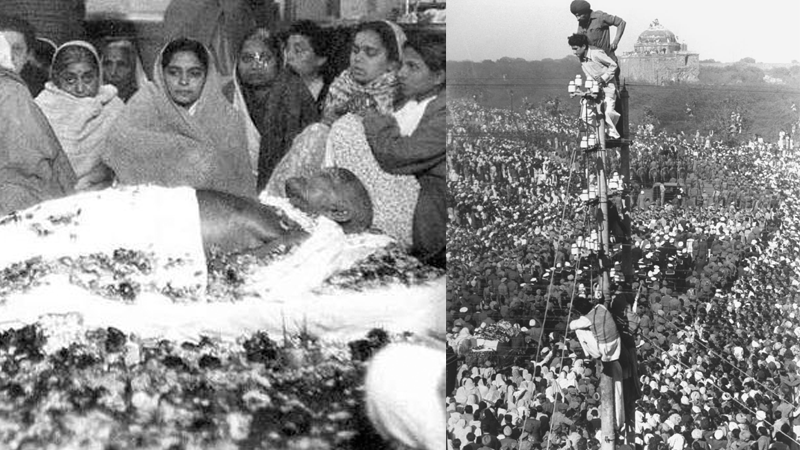
A River of Tears Flowed That Day: When Delhi Walked With the Mahatma One Last Time
The air over Delhi on January 31, 1948, was not merely cold; it was hollow, scooped out by a grief so immense it had its own weight and weather. Just hours before, the life had bled from the frail, beloved frame of Mohandas Karamchand Gandhi, felled by an assassin’s bullets ...Read More
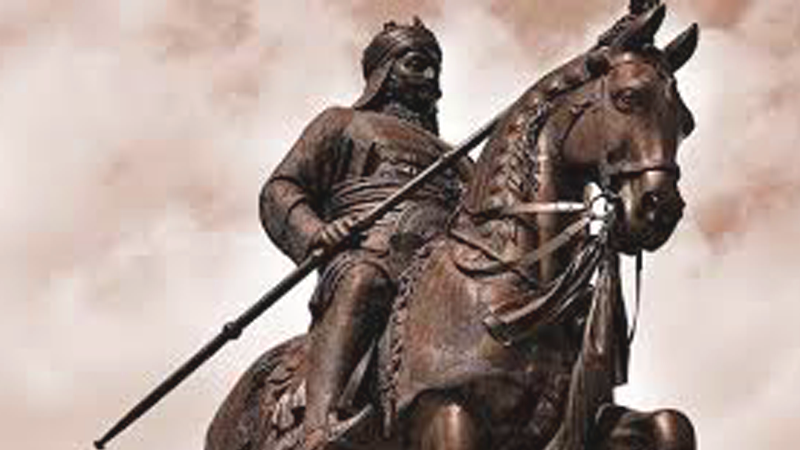
Maharana Pratap: A Saga of Territorial Defiance Against Imperial Subjugation
Maharana Pratap Singh, the 13th ruler of the Sisodia dynasty in Mewar, stands as a towering figure in Indian history, renowned for his unyielding resistance against the Mughal Empire under Emperor Akbar. Born on May 9, 1540, in Kumbhalgarh to Udai Singh II and Jaiwanta Bai, Pr...Read More
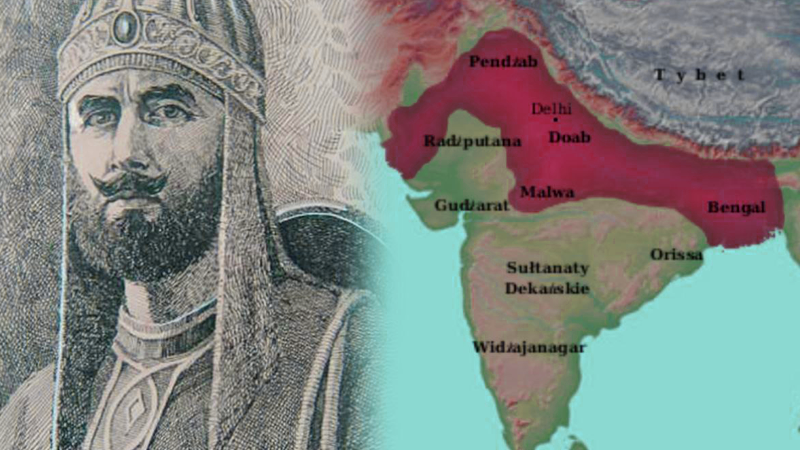
Sher Shah Suri: The Visionary Ruler Who Transformed Medieval India
Sher Shah Suri, born Farid Khan around 1486 in Sasaram, Bihar, rose from humble origins to become one of the most innovative administrators in Indian history. Of Pashtun (Afghan) descent from the Sur tribe, he earned the title “Sher Khan” (Lion Lord) after bravely killing ...Read More
Why Economic Pain Rarely Translates into Political
Economic distress is often assumed to be the most powerful driver of political accountability. Rising prices, unemployment, stagnant wages, and declining public services should logically provoke voter anger and lead to the punishment of those in power. Yet across democracies a...Read More

Colonial Delhi – Rewriting Space, Power, and Memory
Delhi’s encounter with British colonialism was unlike that of any other Indian city. By the time the British arrived, Delhi was already a palimpsest of empires—Tomar, Chauhan, Sultanate, Mughal—each having inscribed authority, faith, and culture onto its landscape. To ru...Read More
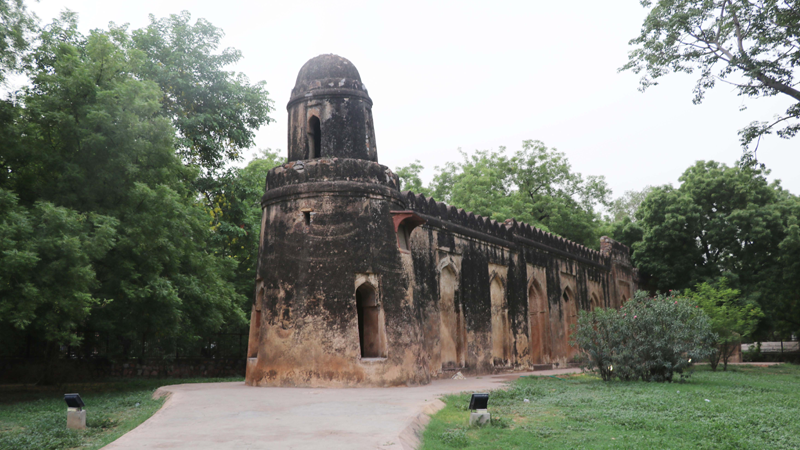
Siri Fort: The Vision of Alauddin Khalji and the Birth of Delhi’s Second Sultanate City
Siri Fort occupies a pivotal place in the history of Delhi as the first completely new city built by the Delhi Sultanate. Constructed under Sultan Alauddin Khalji between 1297 and 1307 CE, Siri represented a decisive response to external threats, internal consolidation of powe...Read More

The History of Tughlaqabad Fort
Tughlaqabad Fort stands today as one of the most imposing yet least explored monuments of Delhi, a massive reminder of the ambition and severity of the Tughlaq dynasty. Built in the early 14th century, the fort marks a decisive shift in the architectural, political, and urban ...Read More
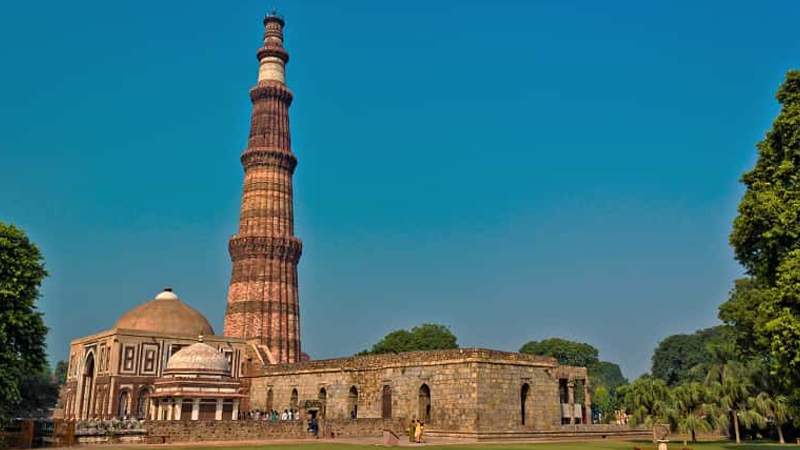
Qutub Minar: A Tower Through Time — Tracing Eight Centuries of Power, Faith, and Architecture
The Qutub Minar, standing tall in the Mehrauli area of Delhi, is one of India’s most iconic historical monuments and a UNESCO World Heritage Site. Rising to a height of about 73 meters, it is the tallest brick minaret in the world and a powerful symbol of the early phase of ...Read More
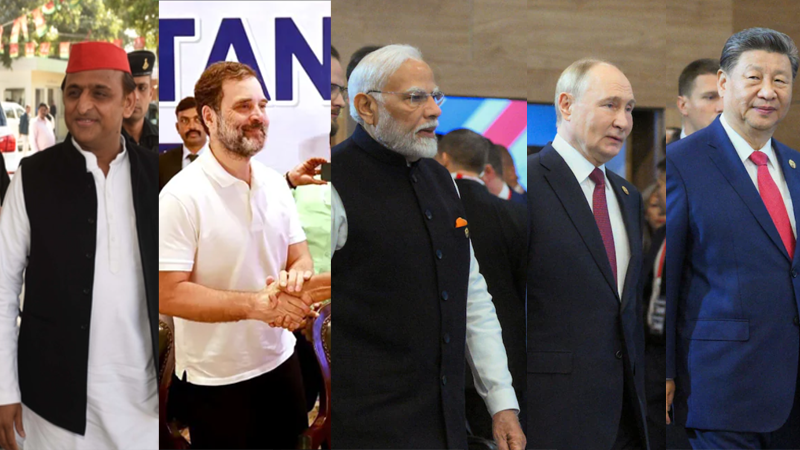
Politics in 2025: A Year-End Summary of Power, Polarisation, and Global Realignment
As the curtain falls on 2025, politics across India and the world stands at a decisive crossroads. The year did not merely unfold as a continuation of past trends; it consolidated power structures, deepened ideological divides, and redefined global alignments. From India’s e...Read More
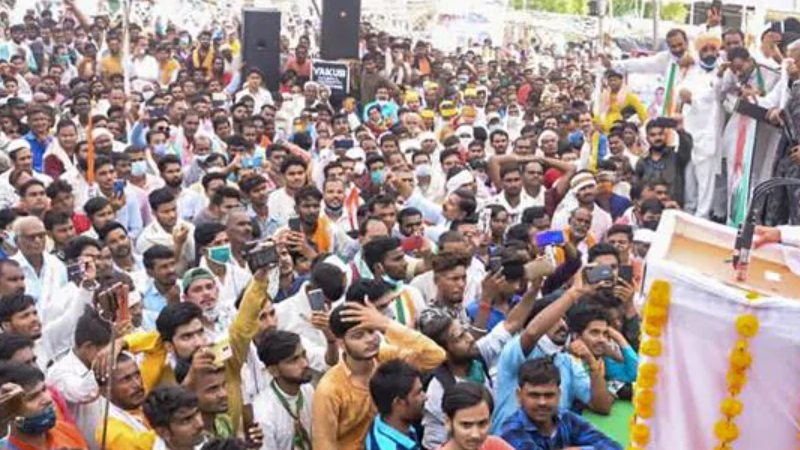
Manufacturing the ‘Internal Enemy’: How Fear Politics Sustains
In every democracy, political power rests not only on performance but on perception. In contemporary India, one of the most powerful tools shaping perception has been the systematic construction of an “internal enemy”—a figure portrayed as perpetually suspect, disloyal, ...Read More
The History of Invasions on India: From Cyrus to the Last Invaders
An Analytical Overview of 2,500 Years of Conflict, Conquest, and Cultural Transformation
Few civilizations have faced as many waves of invasion—and absorbed them as creatively—as the Indian subcontinent. From the first Persian incursions under Cyrus...Read More
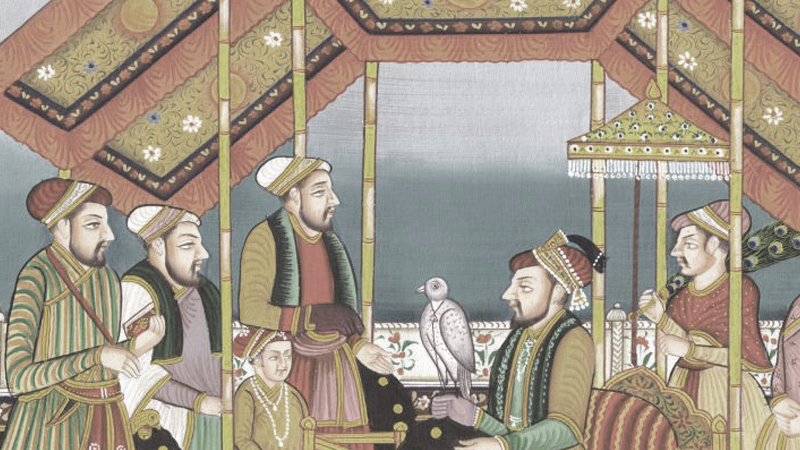
Rewriting Historical Narratives: The Politics of Mughal Memory in India
History is never merely a record of the past; it is also a story told in the present, shaped by contemporary anxieties, power relations, and political imperatives. Few historical subjects illustrate this better than the Mughals. Once regarded as architects of India’s composi...Read More
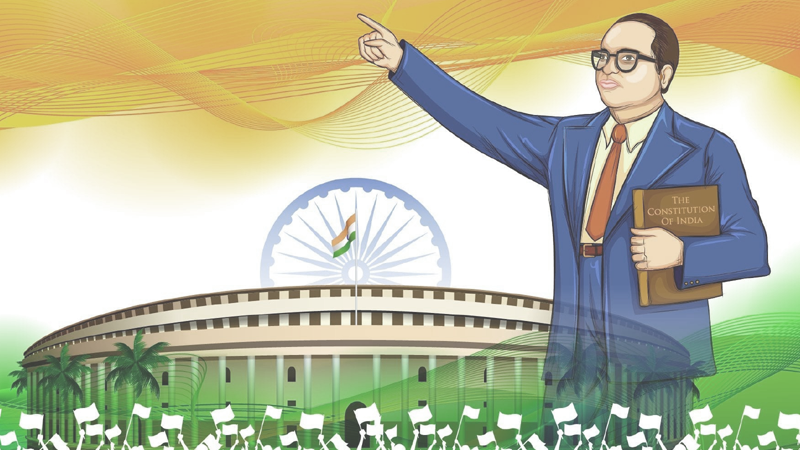
26 November – Constitution Day: Recalling the Vision, Reclaiming the Promise
Every year, 26 November stands as a solemn reminder of India’s greatest collective achievement: the adoption of the Constitution of India in 1949. Often described as the “greatest social charter of the 20th century,” the Constitution was not merely a political framework....Read More
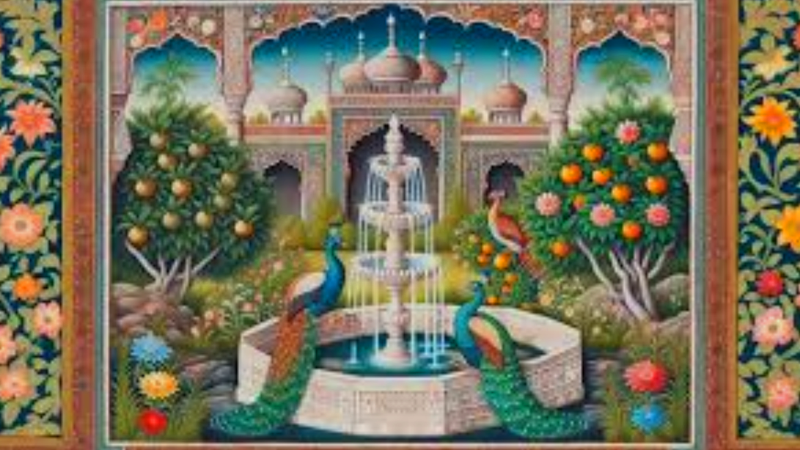
The Mughal School of Painting and Indo-Persian Art Forms: Creativity Where Cultures Met
Art as a Dialogue Between Civilizations, Not Their Conflict
I. The Cultural Canvas of Confluence
History often remembers empires for their power, but the Mughal Empire deserves to be remembered for its art — the luminous dialogue...Read More

From Tryst with Destiny to Faith in the young : The Nehruvian idea on Children’s Day
Every year, as the crisp air of November sets in, India erupts into a vibrant celebration of laughter, games, and sweets. Schools resonate with songs and performances, and the nation collectively turns its gaze towards its youngest citizens. This day, the 14th of November, is ...Read More
Re-imagining History Textbooks: Beyond Heroes and Villains
History, as taught in schools, often resembles a theatre of extremes — kings and conquerors, saints and sinners, patriots and traitors. Generations of South Asian students have grown up memorising battles and birth dates, rather than questioning motives or understanding comp...Read More
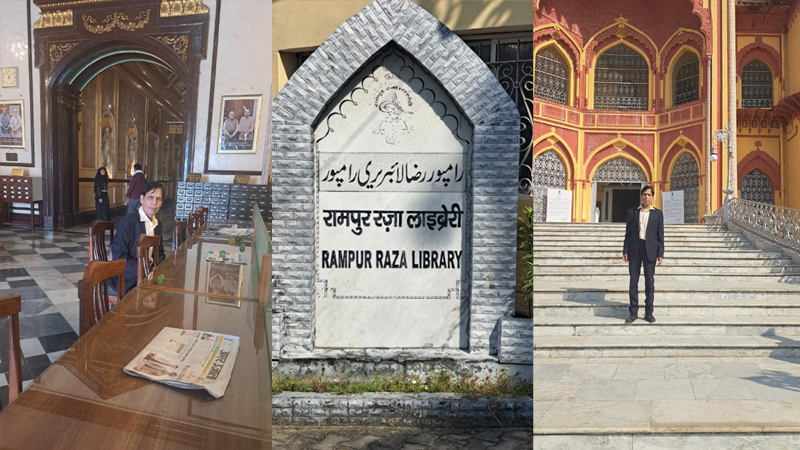
The Raza Library, Rampur: Where the Soul of Indian History Resides
(On 7 November 2025, I had the privilege of visiting the Rampur Raza Library to study its remarkable collection of manuscripts from the Mughal period. The experience was far more than an academic pursuit — it was a journey into the living soul of history. As I left the li...Read More
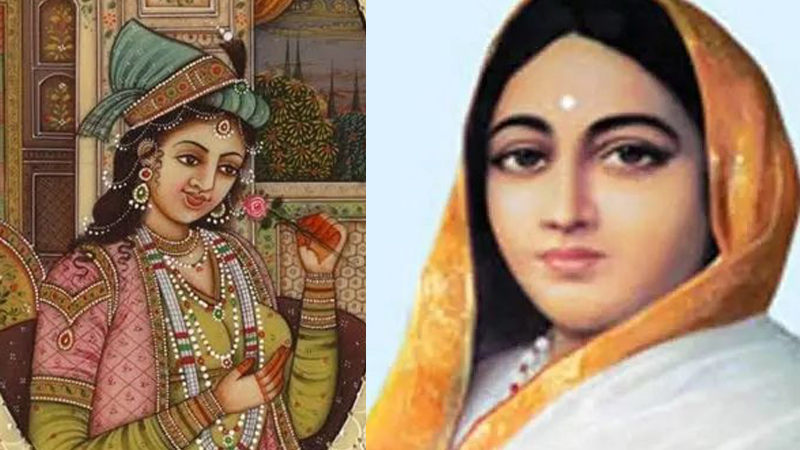
Women Who Shaped Empires in Medieval Period : Lessons in Courage and Governance
In the grand narrative of medieval history, kings, conquerors, and warriors often dominate the pages. Yet, hidden between those chronicles of swords and thrones are women who ruled not merely with authority, but with intellect, empathy, and vision. Their stories are not only t...Read More
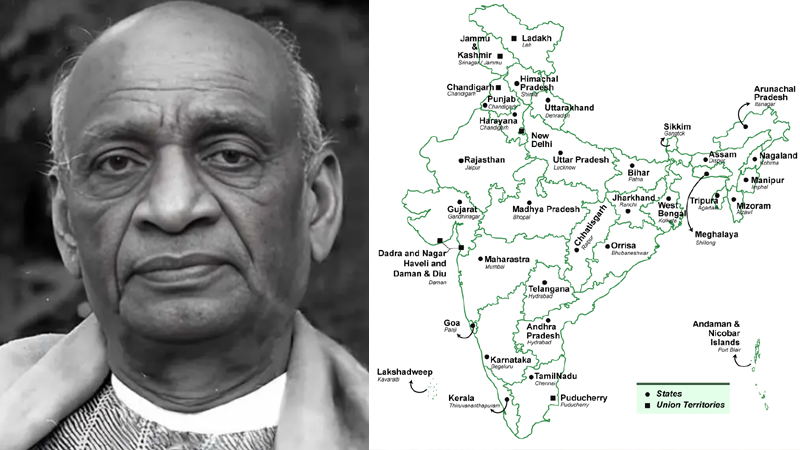
November 1: A Day That Redefined India’s Map and Mind
Every year, November 1 stands as a silent yet powerful reminder of one of the most transformative chapters in India’s post-independence history. While it may not attract the grandeur of Republic Day or Independence Day, its historical and cultural significance is no less pro...Read More
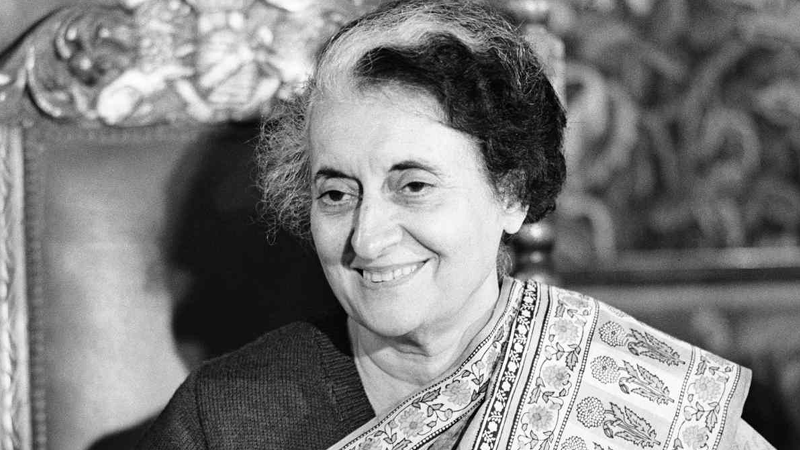
31 October: Remembering Indira Gandhi — The Iron Will of India
Every year, 31st October is observed as the Martyrs’ Day to commemorate the assassination of Indira Gandhi, one of the most formidable and influential leaders in India’s history. Her tragic death in 1984 marked not just the end of an era but also a turning point in Indiaâ€...Read More
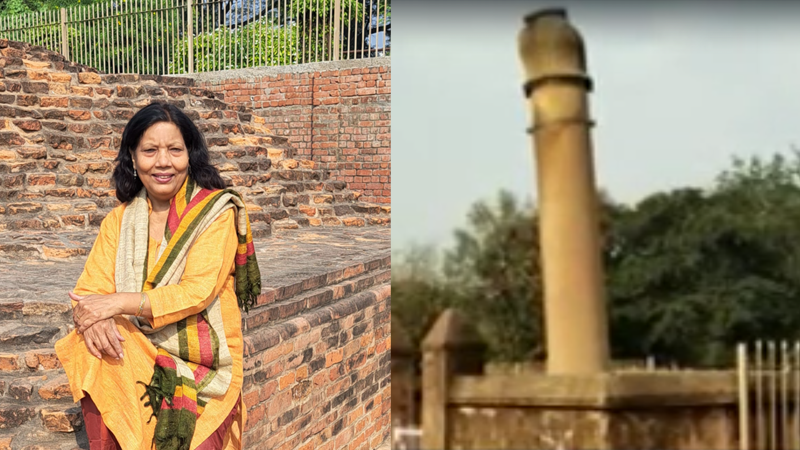
“Bhitri and the Dawn of Dusk: A Testament to the Gupta Twilight”
Nestled in the Ghazipur district of Uttar Pradesh, the town of Bhitri rests along the serene banks of the river Ganga, its quiet present belying a tumultuous and glorious past. To the untrained eye, it is just another North Indian town. But for those who know to look, Bhitri i...Read More
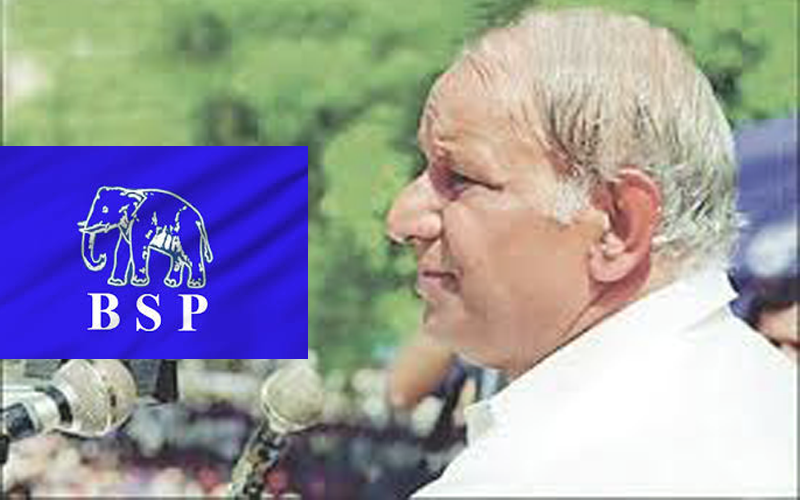
Kanshi Ram: A Political Phenomenon Beyond Comparison
A humble tribute to a visionary leader on his Parinirman divas with whom I worked in initial years
Such a phenomenon had never occurred before in Indian politics — and when it will happen again remains a question hidden in the womb of the future.
At nearly fifty ...Read More
Sanatan and Hindutva: The Eternal Ethos versus the Political Construct
In today’s India, few terms are as frequently used—and as frequently confused—as Sanatan and Hindutva. Both words are invoked in public debates, political speeches, and even courtrooms, often interchangeably. Yet, they represent two profoundly different ideas. One is a t...Read More
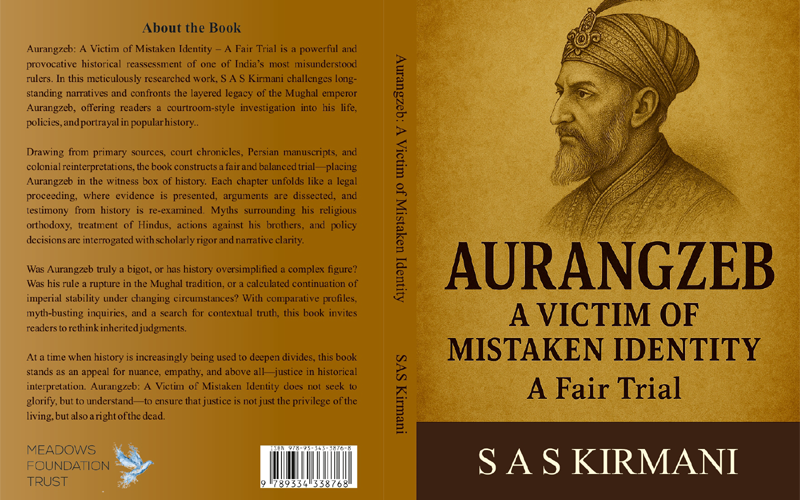
Aurangzeb A Victim Of Mistaken Identity
(The article draws upon themes explored in S. A. S. Kirmani’s book Aurangzeb: A Victim of Mistaken Identity – A Fair Trial.)
The legacy of Aurangzeb has long been a subject of intense debate and controversy. Traditionally cast as a ruthless, intolerant ruler in many ...Read More
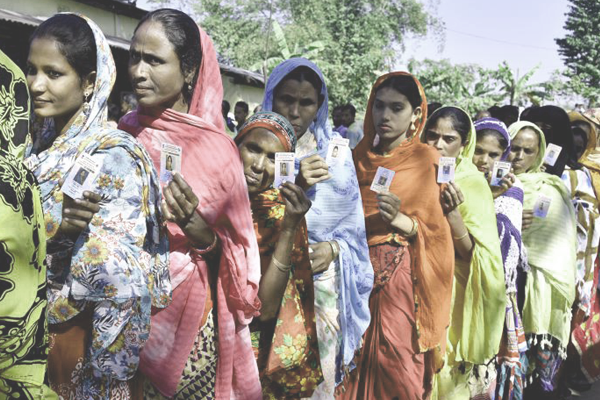
The Illusion of Strength: How Post-2014 India Risks Losing Its Soul
When India voted in 2014, it was not merely a political transition — it was an emotional one. A country weary of corruption, coalition paralysis, and bureaucratic stagnation yearned for a leader who promised decisiveness and purpose. Narendra Modi and the Bharatiya Janata Pa...Read More

.png)
.webp)