Editorial
The Fragile Inferno: Middle East on the Brink
As of May 23, 2026, the Middle East remains locked in a dangerous cycle of violence that shows no signs of abating. Israeli strikes continue across southern Lebanon, Gaza-bound flotilla activists have returned with harrowing allegations of abuse, and broader tensions linked to the recent Iran conflict simmer dangerously. This convergence of flashpoints underscores a region where tactical military actions risk igniting wider strategic catastrophe.
In Lebanon, Israeli airstrikes persist despite a fragile US-brokered ceasefire extension. Reports detail multiple incidents in recent days, including strikes that killed civilians, paramedics, and rescuers in areas like Deir Siryan, Doueir, and the Bekaa Valley. Lebanese authorities report dozens of fatalities in the past week alone, with accusations of “double-tap” strikes targeting emergency responders. Israel maintains these operations target Hezbollah infrastructure and militants posing immediate threats, citing ongoing drone and rocket attacks from Lebanese territory. Yet the human cost—civilian deaths, damaged hospitals, and displaced families—fuels international outrage and accusations of disproportionate force. Hezbollah, for its part, continues low-level operations, perpetuating a deadly tit-for-tat that undermines any genuine de-escalation.
The interception of the Global Sumud Flotilla has added another layer of controversy. Activists from multiple countries, attempting to deliver aid to Gaza, allege severe mistreatment upon detention by Israeli forces: beatings, sexual assaults, humiliation, and torture. At least 15 cases of sexual abuse have been documented by organizers, with victims describing degrading conditions in makeshift detention facilities. Israel has rejected these claims, asserting proper handling and deportation procedures. Regardless of the full facts, the episode has drawn diplomatic rebukes from several European nations and amplified global scrutiny of Israel’s Gaza policies. It highlights the humanitarian desperation in Gaza and the fraught nature of international efforts to bypass the blockade.
These incidents occur against the backdrop of the 2026 Iran war’s aftermath. The US-Israeli strikes earlier this year degraded Iranian capabilities but left a power vacuum and unresolved proxy dynamics. Iran continues to threaten expansion of conflict, while its allies like Hezbollah test boundaries. Oil prices remain volatile due to Strait of Hormuz uncertainties, rippling through global economies.
The pattern is clear: short-term security imperatives clash with long-term stability needs. Military superiority alone cannot resolve ideological, territorial, and governance failures. Ceasefires are repeatedly violated because underlying issues—Hezbollah’s armament, Iran’s regional ambitions, Palestinian statehood aspirations, and Israeli security concerns—remain unaddressed through credible diplomacy.
International actors, particularly the US, must push beyond reactive mediation. Sustainable progress demands renewed focus on inclusive talks, accountability for abuses on all sides, and economic incentives for de-escalation. Without this, today’s localized strikes and scandals risk becoming tomorrow’s full-scale war. The Middle East, and the world, cannot afford another escalation.
The Silent Pandemic: A World Struggling With Mental Health
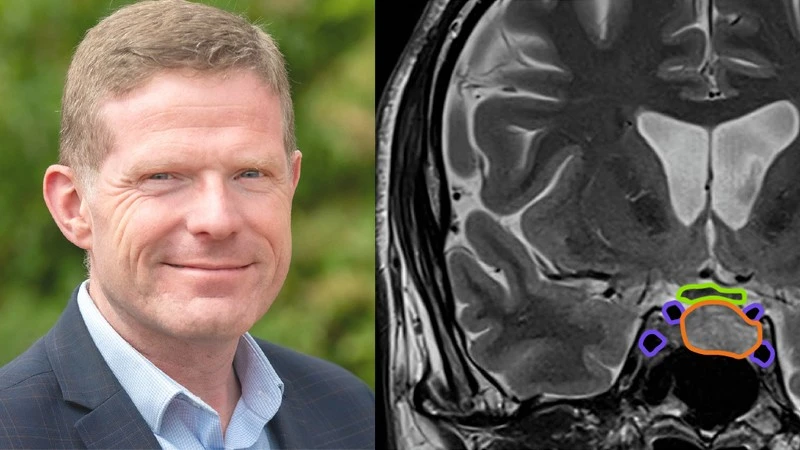
A recent global study revealing that nearly 1.2 billion people suffered from mental disorders in 2023 should alarm governments, societies, and policymakers alike. The staggering 95.5 percent increase since 1990 is not merely a medical statistic; it is a reflection of a rapidly changing world where anxiety, depression, stress, loneliness, and emotional insecurity have become defining features of modern life.
What makes the report particularly concerning is that anxiety and depression account for the largest share of this rise. In an age celebrated for technological advancement, economic growth, and digital connectivity, humanity appears emotionally more fragile than ever before. The contradiction is striking: people are more connected online, yet increasingly isolated in real life.
The causes are complex and deeply interconnected. Economic uncertainty, unemployment, social media pressure, urban loneliness, family breakdowns, conflicts, climate anxiety, and the aftereffects of the COVID-19 pandemic have collectively created an environment of chronic psychological stress. Young people, especially, are facing unprecedented emotional burdens. Constant comparison through social media platforms has intensified feelings of inadequacy and fear of failure.
Equally troubling is the persistent stigma attached to mental illness, particularly in developing societies. Millions continue to suffer silently because seeking psychological help is wrongly viewed as weakness or social embarrassment. In many countries, mental health infrastructure remains grossly inadequate. Hospitals lack trained professionals, schools lack counsellors, and workplaces rarely prioritise emotional well-being.
The economic consequences are equally severe. Mental disorders reduce productivity, increase healthcare costs, weaken social relationships, and affect entire families. A mentally exhausted society cannot sustain healthy economic or democratic institutions. Mental health, therefore, is no longer a purely medical issue; it is a social, economic, and political challenge.
Governments must urgently rethink public health priorities. Mental healthcare should become as accessible and normalised as treatment for physical illness. Schools must introduce emotional education and counselling systems. Workplaces should encourage healthier work-life balance rather than glorifying burnout culture. Communities and families must also rebuild human connection, empathy, and dialogue in an increasingly individualistic world.
Technology companies, too, carry responsibility. Algorithms designed to maximise screen time often fuel anxiety, addiction, and emotional instability, especially among adolescents. Ethical digital regulation and awareness are essential to protect mental well-being in the internet age.
The rising mental health crisis reminds humanity that progress cannot be measured only in GDP, technological innovation, or military power. A truly developed society is one where people feel emotionally secure, socially supported, and psychologically healthy.
The world ignored mental health for too long. The consequences are now impossible to overlook. Addressing this silent pandemic requires not only doctors and medicines, but compassion, awareness, and a collective commitment to restoring emotional balance in modern society.
 SAS Kirmani
Most Popular

Speed of light: The cosmic limit that shapes our universe
September 17, 2025
Beats did announce something, after all
September 17, 2025