Editorial
Kathmandu Burns Twice: Gen Z’s Second Storm and the Republic’s Last Warning
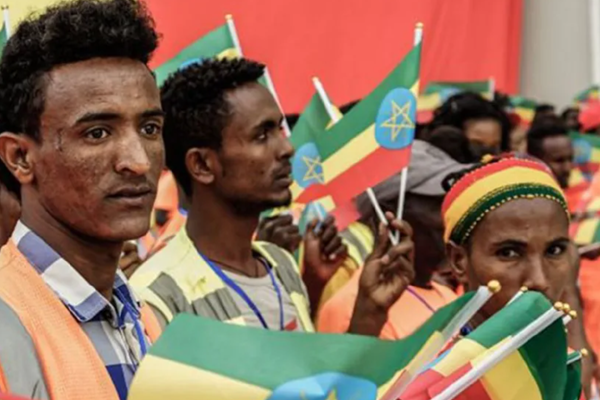
In the shadow of the Himalayas, where ancient kingdoms once whispered of divine rule, Nepal’s republic now trembles under the weight of youthful fury. Just two months after Gen Z’s digital storm toppled Prime Minister K.P. Sharma Oli, the streets of Kathmandu and Bara are ablaze once more. Protesters, barely out of their teens, clash with security forces, torch vehicles, and demand not just reforms but a radical rebirth. Curfews choke 12 districts, flights grind to a halt, and the acrid smoke of barricades mingles with tear gas. This is no echo of September’s chaos; it’s a reckoning, exposing the fragility of a democracy stitched together from civil war scars and unkept promises.
September’s uprising was a masterclass in millennial malaise turned Gen Z dynamite. Sparked by a social media blackout; framed as anti-misinformation but reeking of censorship; the protests swelled from online rants to nationwide infernos. Youth, armed with VPNs and TikTok savvy, stormed parliament, set ministers’ homes alight, and forced Oli’s resignation amid 19 deaths and a city in flames. Sushila Karki, the technocratic interim PM, stepped in with vows of anti-corruption probes and youth inclusion. Yet, as November’s clashes erupt; triggered by alleged assaults by Communist Party cadres on young demonstrators; the facade crumbles. At least five injured in Kathmandu alone, with riot police’s batons drawing blood and protesters’ stones drawing lines in the sand. Hashtags like #GenZRevolt trend globally, a digital war cry that mocks the regime’s throttled internet.
This resurgence isn’t random rage; it’s the harvest of decades of decay. Nepal’s 2008 republic, born from Maoist insurgency and royal abdication, promised federal equity for Madhesis and Janajatis long sidelined by Kathmandu’s Brahmin elite. But 14 governments in 17 years? A carousel of coalitions marred by cronyism, with youth unemployment at 40% and remittances masking a brain drain of 10% of the population. Oli’s ouster felt like victory, but Karki’s cabinet; riddled with the same old guard; proves the system’s rot runs deep. Gen Z isn’t just jobless; they’re job-scarred, returning from Gulf exploits to a homeland where hydropower kickbacks trump public welfare. Their demands? Asset disclosures, youth-led commissions, and true federalism; not platitudes ahead of 2026 polls.
Yet, herein lies the peril: unchecked, this fire could consume the republic itself. Pro-monarchy fringes, emboldened by March’s violent rallies, lurk in the margins, peddling nostalgia for Gyanendra’s iron fist as “stability.” External shadows loom too; India’s wary eye on border trade dips, China’s whispers in UML ears. Violence begets violence; September’s 72 deaths (per early counts) scarred a generation, radicalizing some toward extremism. Karki’s calls for “dialogue” ring hollow without action: independent probes into force, lifted curfews, and a people’s assembly to rewrite the social contract.
Nepal’s Gen Z aren’t vandals; they’re visionaries, echoing Bangladesh’s student surge but rooted in Himalayan grit. Their uprising demands we confront a truth: democracies don’t endure on constitutions alone but on trust. Ignore them, and the shadows lengthen; toward authoritarian relapse or balkanized fracture. Heed them, and perhaps the republic rises, phoenix-like, from these very ashes. The choice is Kathmandu’s, but the streets have already voted with their feet.
CBSE’s Belated Clarity: A Lesson in Institutional Accountability for Anxious Minds
In the high-stakes arena of Indian education, where a single exam can pivot futures, the Central Board of Secondary Education (CBSE) wields immense power—and, regrettably, occasional irresponsibility. On November 20, 2025, the board finally dismissed swirling rumors of “dual board exams” for Class 10 in the 2025-26 session, clarifying that while a second attempt exists for improvement in up to three subjects (like science, math, and languages), it is optional, not a parallel mandatory test.
This reassurance comes amid frantic preparations for the academic year, with date sheets already released for the first phase (February 17 to March 6) and the second (May 5 to 20). But why did students and parents endure months of uncertainty? Why this eleventh-hour clarification, leaving families in limbo?
The saga began innocently enough in February 2025, when CBSE Chairperson Rahul Singh announced a pilot for twice-a-year exams, hailing it as a stress-buster for over 20 lakh Class 10 aspirants. The intent was noble: reduce the do-or-die pressure of a single shot by offering a structured redo, akin to global models in the US or UK. Yet, the rollout was a masterclass in miscommunication. Draft policies floated without timelines, stakeholder feedback was solicited but sparsely addressed, and whispers of “two full boards” morphed into viral misinformation on WhatsApp groups and Reddit threads. By June, when the scheme was greenlit, confusion reigned: Was the second exam a fresh slate or mere improvement? Eligible only for certain subjects, or a blanket option? Parents, already shelling out for tuitions averaging ₹50,000 annually, panicked over doubled prep costs and timelines clashing with college admissions. Students, navigating syllabus tweaks and mental health strains—suicide rates among board-goers up 20% post-COVID—fretted over diluted focus.
This delay isn’t just bureaucratic sloth; it’s a betrayal of trust. CBSE, governing 27,000 schools and shaping 40% of India’s secondary education, must prioritize transparency over trial-and-error. Rumors festered because official FAQs were vague, webinars sparse, and the board’s portal lagged in updates. Imagine the toll: sleepless nights for a Delhi mother juggling two shifts to fund mock tests, or a Patna teen second-guessing career dreams amid syllabus overload. The clarification, buried in a webinar and press release, arrived too late for many—after mid-term plans were upended and anxiety peaked.
CBSE needs to step up. First, a dedicated misinformation cell: real-time myth-busters via apps and helplines, not reactive clarifications. Second, inclusive pilots: involve parent-teacher forums from day one, ensuring policies don’t alienate rural schools with spotty internet. Third, mental health mandates: integrate counseling in exam reforms, recognizing that equity isn’t just access but emotional bandwidth. The two-exam model, if refined, could be transformative—empowering low scorers without undermining merit. But only if CBSE owns its role as guardian, not gatekeeper.
As 2025-26 unfolds, let this be a pivot. Students and parents deserve certainty, not chaos. CBSE, the ball’s in your court: Communicate boldly, act swiftly, and rebuild faith. India’s youth can’t afford another season of shadows.
 SAS Kirmani
Most Popular

Speed of light: The cosmic limit that shapes our universe
September 17, 2025
Beats did announce something, after all
September 17, 2025