Editorial
Spain’s Triumph: A New Era Dawns in the 2026 World Cup Final
In a gripping showdown at MetLife Stadium on July 19, 2026, Spain emerged as FIFA World Cup champions for the second time, defeating defending titleholders Argentina 1-0 in extra time. Ferran Torres’ clinical strike just 39 seconds into the second period of extra time capped a masterful display of possession and pressing, ending Argentina’s bid for back-to-back glory. For a tournament expanded to 48 teams and co-hosted by the United States, Canada, and Mexico, this final encapsulated both the beauty and brutality of modern football.
Spain’s victory was no fluke. La Roja, unbeaten in 38 matches spanning over two years, suffocated Lionel Messi and his teammates with relentless high pressing and technical superiority. Argentina, reduced to ten men late in regulation following a red card, mounted a heroic rearguard action. Emiliano Martínez’s penalty save kept hopes alive, but the fatigue and numerical disadvantage proved insurmountable. Torres’ goal— a powerful close-range finish—shattered the deadlock, echoing Andrés Iniesta’s iconic 2010 winner against the Netherlands.
The match was not without controversy. Argentina’s high foul count drew scrutiny over refereeing decisions, with accusations of leniency toward the South Americans. Fans debated the afternoon kickoff time, which robbed the occasion of its traditional nocturnal drama under the lights. Yet these quibbles pale against the broader narrative: Spain’s golden generation, built on the foundations of their Euro 2024 success, has arrived. Players like Rodri, Lamine Yamal, and a composed defense led by young talents exemplified tactical discipline and collective hunger.
For Argentina, the defeat marks the end of an era. Messi’s final World Cup dance concluded without a fairytale repeat. At 39, the maestro’s influence remained evident, but age and a resolute Spanish midfield limited his impact. The Albiceleste’s gritty resilience—echoing their 2022 epic against France—reminded the world why they are perennial contenders. Their journey inspired millions, proving that passion can momentarily defy physics.
This final underscores football’s evolution. Spain’s tiki-taka revival, blended with athletic intensity, sets a template for future success. Hosting in North America delivered spectacle, record crowds, and global accessibility, though logistical critiques remain. As celebrations erupt from Madrid to Barcelona, the result signals a power shift. Europe dominates once more, yet the global game’s inclusivity grows.
Ultimately, Spain’s triumph celebrates merit over legacy. In 400 gripping minutes of tournament football—culminating in this tense decider—the beautiful game reaffirmed its unpredictability and enduring magic. For the victors, immortality; for the vanquished, respect and renewal. The 2026 World Cup closes not just a chapter, but opens thrilling possibilities for 2030 and beyond. Football, as ever, endures.
Olympiad Glory: India’s Young Biologists Shine on the Global Stage
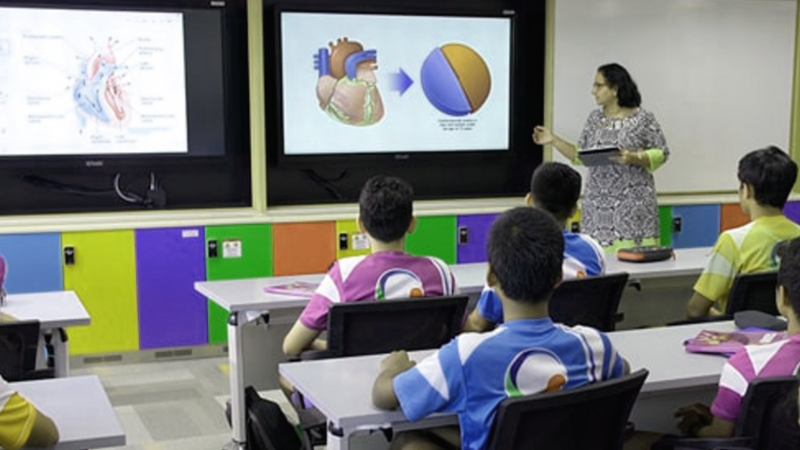
In a moment of immense national pride, Indian students have once again demonstrated that talent, rigorous preparation, and determination can conquer the world. At the 37th International Biology Olympiad (IBO) 2026, held in Vilnius, Lithuania from July 12 to 19, the Indian contingent secured one gold and three silver medals. Bhavyaa Gunwal from Mahendragarh, Haryana, clinched the gold, while Soumil Maity from Howrah, West Bengal, Nishit Kalani from Pali, Rajasthan, and Anmol Kumar from Mansa, Punjab, earned silver medals. Remarkably, every member of the four-student team returned with a medal, a testament to their exceptional preparation and the strength of India’s science education ecosystem.
This achievement arrives amid a stellar run for Indian Olympiad teams. Fresh off sweeping golds at the International Physics Olympiad and sharing top honors with powerhouses like China at the Chemistry Olympiad, biology’s success underscores a broader resurgence. Competing against 307 students from 78 countries—with 31 golds, 61 silvers, and 91 bronzes awarded overall—the Indian team stood tall. Their success highlights not just individual brilliance but the efficacy of programs nurtured by the Homi Bhabha Centre for Science Education (HBCSE) under the Tata Institute of Fundamental Research (TIFR).
These students, hailing from diverse regions, embody India’s demographic dividend. Their journey—from grueling national selection processes involving theoretical exams, practicals in genetics, ecology, and molecular biology, to competing on an international stage—reflects thousands of hours of dedicated study, mentorship, and resilience. In an era dominated by rapid advancements in biotechnology, genomics, and environmental science, such exposure equips them to tackle global challenges like climate change, pandemics, and sustainable development.
Yet, this triumph should prompt deeper reflection. While elite performers excel, India’s vast student population demands wider access to quality STEM education. Olympiad successes often stem from urban or coached ecosystems; bridging the rural-urban divide through expanded outreach, better laboratory infrastructure, and teacher training remains crucial. Initiatives like the National Education Policy’s emphasis on experiential learning must translate into grassroots impact.
These young biologists are not merely medal winners—they are torchbearers for a knowledge economy. Their victories boost India’s soft power and scientific reputation. As they return home as role models, one hopes their stories ignite curiosity in classrooms nationwide. Investing in such talent today seeds tomorrow’s innovators, researchers, and leaders.
India’s podium finish at IBO 2026 is more than a sporting analogy; it is proof that when nurtured, young minds can decode life’s complexities and shape a brighter future. Congratulations to the champions and their mentors. The nation celebrates—and anticipates even greater heights.
 SAS Kirmani
Most Popular
Speed of light: The cosmic limit that shapes our universe
September 17, 2025
Beats did announce something, after all
September 17, 2025