Editorial
India’s Fragile Shield: West Asia Crisis and the Poverty Trap
The United Nations Development Programme (UNDP) has issued a sobering warning: escalating conflict in West Asia could push an additional 2.5 million Indians into poverty, raising the poverty rate from 23.9% to 24.2% in a severe scenario. What began as a distant geopolitical flashpoint—marked by disruptions in the Strait of Hormuz and Red Sea shipping lanes—now casts a long shadow over India’s economy, threatening livelihoods, fuel security, and hard-won human development gains.
India imports over 85% of its crude oil, much of it from West Asia. Any threat to oil flows immediately translates into higher global prices. Recent surges have already pushed India’s crude oil basket up sharply, with ripple effects on transportation, manufacturing, and food production. The auto sector, a major employment generator, faces near-term headwinds: rising input costs, supply chain snarls, and elevated freight rates could dampen vehicle demand and force price hikes. Society of Indian Automobile Manufacturers has flagged potential production challenges and indirect hits to consumer sentiment.
Fuel costs are the most visible pain point. Higher pump prices erode household purchasing power, especially among the poor and middle class who spend a larger share of income on essentials. Inflation, already showing early signs of pressure from energy costs, risks climbing further if the conflict prolongs. Every $10 rise in crude adds roughly $13-14 billion to India’s annual oil import bill, straining the current account and fiscal space. Food inflation could worsen as higher diesel prices raise logistics costs for farmers and distributors. Public budgets, already stretched, may face demands for subsidies or relief measures.
The UNDP report highlights broader human costs. Beyond the 2.5 million newly vulnerable, there could be setbacks in human development indicators as livelihoods weaken, remittances dip if regional instability affects Indian workers, and public spending on health and education comes under pressure. Vulnerable communities—daily wagers, small farmers, and informal sector workers—stand to lose the most. A poverty spike of this magnitude is not merely statistical; it risks reversing gains in multidimensional poverty reduction achieved over the past decade.
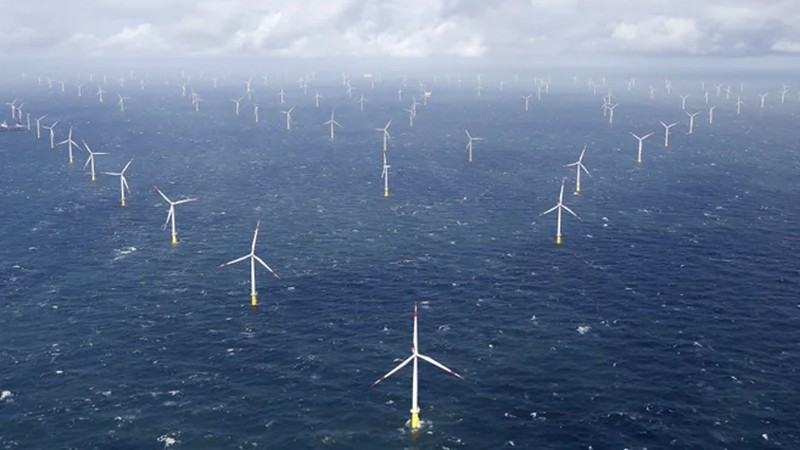
India is not helpless. Strategic petroleum reserves provide a temporary buffer. Diversification of oil sources, accelerated renewable energy adoption, and push for electric vehicles can reduce long-term dependence. The government has already shown prudence by moderating fuel taxes in recent months and monitoring under-recoveries. Yet, short-term relief measures must not distort markets or burden future fiscal health.
Diplomatically, India has maintained balanced ties across West Asia while advocating de-escalation. This pragmatic approach must continue—protecting energy interests without being drawn into conflicts. At home, policymakers need contingency plans: targeted support for affected sectors, inflation management through monetary-fiscal coordination, and safety nets to shield the poorest.
The West Asia crisis is a stark reminder that global interdependence is a double-edged sword. India’s growth story, built on stability and reform, faces an external test. Swift, calibrated responses can limit damage. Inaction or delayed adaptation could turn a regional conflict into a domestic development crisis. Protecting the vulnerable while safeguarding economic momentum is not just prudent policy—it is a moral imperative in these uncertain times.
A Whisper Amid the Roar
For the first time in decades, Israeli and Lebanese envoys are sitting across from each other in Washington. On its surface, this rare high-level dialogue is a diplomatic breakthrough—a crack in the wall of mutual animosity that has defined their modern history. Yet any celebration must be heavily caveated, for the talks occur not in a vacuum of peace, but amidst the distinct sounds of Israeli military operations and the stark rejection by Hezbollah.
Let us be clear: engagement is preferable to perpetual silence. Even indirect negotiations over a disputed maritime border or land markers can lower the temperature. The very fact that Lebanese officials—even under U.S. mediation—agree to speak is a tacit admission that their country’s ruinous entanglement with Iran’s proxy can no longer be sustained. Lebanon’s collapsing economy and fragile statehood cannot endure another full-scale war.
But Hezbollah’s immediate rejection of this process exposes the core tragedy: the Lebanese state does not control its own borders or its arsenal. The militant group, armed and empowered by Tehran, holds veto power over Lebanese sovereignty. As long as its rockets and commanders dictate security policy, any agreement reached in Washington remains hypothetical on the ground.
Meanwhile, Israel’s continued operations—targeting Hezbollah positions, surveillance, or limited incursions—send the opposite message: that force remains the primary language. For Lebanese citizens, the talks appear surreal. Their government negotiates while their homes are buzzed by warplanes, and their southern villages remain under threat.
The only real path forward is a multi-layered approach. Diplomacy must persist, even if slow. But the international community—especially the U.S. and France—must pressure Hezbollah to accept state-to-state dialogue, or face consequences. Without that, these historic talks risk becoming a whisper drowned out by the next explosion. Still, a whisper is better than silence. For the first time in decades, both sides are speaking. Now they must decide whether they are truly ready to listen.

 SAS Kirmani
Most Popular

Speed of light: The cosmic limit that shapes our universe
September 17, 2025
Beats did announce something, after all
September 17, 2025