Editorial
Trump’s Tariff Trap: India’s Sovereignty on the Line?
In the gilded halls of the White House, Donald Trump’s latest trade overture to India unfolds like a high-stakes poker game—bluff-heavy, rhetoric-laden, and perilously one-sided. Announcing a “pretty close” bilateral trade agreement on November 11, 2025, the US President dangled the carrot of tariff relief, vowing to slash the punishing 50% duties (25% reciprocal plus 25% “secondary” penalty for Russian oil imports) that have battered $48 billion in Indian exports since August. “We’re gonna be bringing the tariffs down… at some point,” he quipped, tying the thaw to India’s purported “substantial” curb on Moscow’s crude—down a negligible 2% to 33.9% of imports from April to August. Yet, as New Delhi’s refiners slash December volumes amid threats of 500% sanctions, this isn’t diplomacy; it’s coercion dressed as concession.
The crux? Trump’s “fair deal” reeks of imperial entitlement, weaponizing energy security to extract concessions on market access, IP rights, and H-1B visas—issues that pit American protectionism against India’s self-reliance. Five rounds of talks since March aim to balloon bilateral trade to $500 billion by 2030, but at what cost? Commerce Minister Piyush Goyal’s steely retort—“India won’t compromise farmers, dairy, or workers”—signals resolve, yet the Supreme Court’s looming scrutiny of Trump’s tariff overreach adds volatility. Exporters in pharma and telecom, exempt so far, have frontloaded shipments and diversified to ASEAN and Europe, showcasing resilience that belies the pain: Barclays warns of eroded edges against Vietnam and Mexico.
This isn’t partnership; it’s a BRICS-baiting ploy to corral India into an anti-China fold while ignoring Beijing’s rare-earth stranglehold. Trump’s bromance with Modi—“they’ll love us again”—masks a zero-sum game where US “dividends” from tariffs ($2,000 per American, per Bessent) come at emerging economies’ expense. India must demand timelines, not vagueness, and leverage its oil diversification (US imports up 99%) as bargaining power, not capitulation.
Ultimately, true equity demands WTO compliance, not whims. As Ambassador Sergio Gor’s swearing-in symbolizes “fortified bonds,” let New Delhi remember: in global trade’s arena, sovereignty isn’t negotiable—it’s non-negotiable. A deal inked by fall’s end could unlock growth, but only if India holds the line against this tariff tango’s darker steps.
Education 5.0: The New Horizon of Learning in South Asia
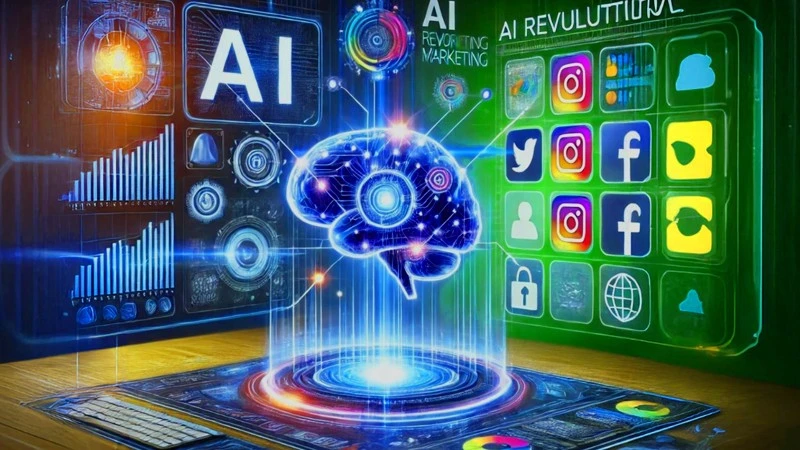
Education in South Asia stands at a historic crossroads. For decades, the region has chased literacy, expanded schools, and digitized classrooms. Yet, as artificial intelligence, virtual reality, and blockchain redefine the world, we now face a deeper question — can education itself evolve to match the pace of human change? The answer lies in Education 5.0 — a vision where technology serves humanity, not the other way around.
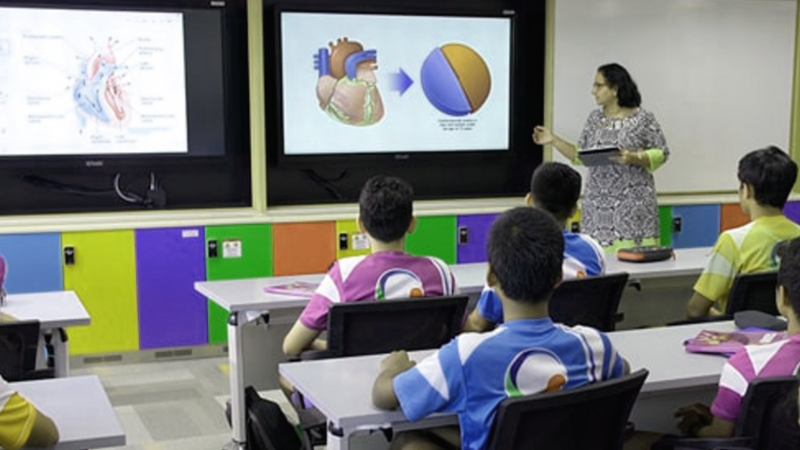
Unlike earlier reforms that focused on access or automation, Education 5.0 is about human-centred learning. It seeks to blend intelligent machines with empathetic teachers, digital platforms with moral purpose. A student in a remote Himalayan village could soon learn science through a VR simulation, guided by an AI tutor that speaks her language — if the region invests wisely in inclusive technology.
But beneath the promise lies a warning. The digital divide in South Asia remains wide. Millions of students lack internet access or basic devices, while many teachers still struggle with digital literacy. Without major reforms in training, infrastructure, and curriculum, technology may widen inequalities rather than close them.
Education 5.0 also challenges cultural attitudes. South Asian education has long valued obedience and rote memory. The new model asks students to question, explore, and co-create knowledge — qualities essential for innovation but sometimes at odds with traditional discipline. The task ahead is not to abandon our values, but to reinterpret them: respect and creativity can coexist, as can technology and tradition.
Governments must lead with vision, but partnerships with private innovators and regional cooperation are equally vital. India’s NEP 2020 and Pakistan’s Single National Curriculum show intent, yet they need grounded execution. The region must move from pilot projects to policy transformation.
Ultimately, Education 5.0 is not about machines; it is about mindsets. It envisions schools that nurture empathy alongside excellence, and learners who see technology as a bridge — not a barrier — to humanity. If South Asia can align its demographic energy with this humane, innovative spirit, it could redefine global education for the next generation.
Education 5.0 reminds us that the future of learning is not merely digital — it is deeply human.

 SAS Kirmani
Most Popular

Speed of light: The cosmic limit that shapes our universe
September 17, 2025
Beats did announce something, after all
September 17, 2025