Editorial
Tragedy at the Red Fort – A Moment for Unity and Resolve
A horrific explosion near Delhi’s historic Red Fort on November 10 has claimed at least eight lives and injured many others. A car burst into flames at a busy traffic signal, sending shockwaves through the heart of the capital. The incident occurred in one of the most crowded and sensitive zones of the city, where thousands pass daily.
As investigations continue, authorities are examining whether the blast was caused by a CNG cylinder failure or an act of terror. The National Investigation Agency and forensic teams have been deployed, and the case is reportedly being probed under anti-terrorism laws. Regardless of the cause, the loss of innocent lives is a national tragedy that demands both empathy and accountability.
To the families of the deceased, we extend our deepest condolences. Their pain defies words. These were ordinary citizens — workers, commuters, and bystanders — caught in an unimaginable moment of destruction. To the injured, we wish strength and swift recovery.
This tragedy near the Red Fort — a symbol of India’s independence and unity — reminds us that national security and civic safety are inseparable. It is time to revisit our preparedness, from fuel safety standards to the protection of public spaces.
At this moment of grief, let us rise above speculation and division. India’s strength has always lain in its resilience and compassion. The way forward is through calm, solidarity, and vigilance — not fear or blame.
Let this dark hour renew our collective resolve to safeguard human life and the peace of our cities. The memory of those lost must become our call to protect every citizen’s right to safety and dignity. May the departed rest in peace, and may the nation stand united in healing.
India and China – Leading the New Energy Dawn
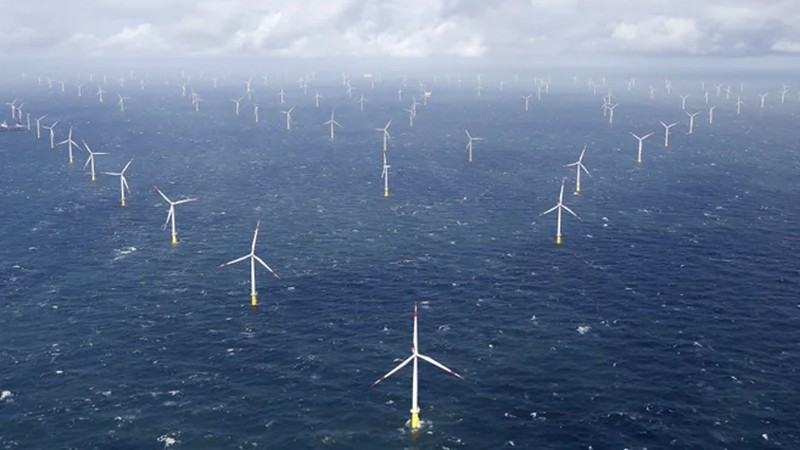
At a time when much of the developed world shows waning enthusiasm for combating the climate crisis, the torch of energy transition is being carried forward by emerging powers — notably India and China. COP 30 President André Corrêa do Lago’s recent observation that both nations are “surging ahead in clean energy” marks a significant shift in global climate leadership.
For decades, the West dominated the discourse on environmental responsibility, often lecturing the developing world. Yet today, it is Asia — particularly India and China — that is demonstrating action over rhetoric. China has invested massively in solar manufacturing, electric mobility, and large-scale wind projects. India, too, has made remarkable strides, emerging as the world’s third-largest renewable energy market with ambitious goals of achieving 500 GW of non-fossil energy capacity by 2030.
India’s solar parks, expanding wind corridors, and national push for green hydrogen reflect not just policy commitment but a civilizational ethos of harmony with nature. Rural electrification through renewables and the International Solar Alliance, co-initiated by India, are reshaping the energy landscape beyond its borders.
Meanwhile, several rich nations appear to be backpedaling — scaling down commitments, delaying targets, and prioritizing short-term economic interests over planetary stability. The moral argument has reversed: it is now the developing world that is demonstrating the will to act.
However, both India and China face challenges — from balancing rapid growth with sustainability to ensuring equitable energy access. Their cooperation, not competition, could define the planet’s energy future.
As the world prepares for COP 30, it is clear that climate leadership no longer resides solely in the corridors of the West. It lives in the actions of nations that dare to light the future — responsibly, renewably, and resolutely.

 SAS Kirmani
Most Popular

Speed of light: The cosmic limit that shapes our universe
September 17, 2025
Beats did announce something, after all
September 17, 2025