Editorial
India-US trade deal
The recent India-US interim trade framework, announced via a joint statement on February 6, 2026, marks a significant thaw in bilateral economic relations after months of tariff tensions. This deal, positioning both nations toward a fuller Bilateral Trade Agreement (BTA), involves reciprocal concessions that promise to boost trade volumes, realign supply chains, and deepen strategic ties amid global uncertainties.
At its core, the agreement addresses longstanding frictions. The US has reduced tariffs on Indian goods to 18% (from a punitive 50%, including a 25% penalty linked to Russia’s oil), rescinding extra duties in exchange for India’s commitments. India has agreed to eliminate or substantially lower tariffs and barriers on all US industrial goods and a wide range of American agricultural and food products. In parallel, India intends to purchase $500 billion worth of US goods over five years, focusing on energy products, aircraft and parts, precious metals, technology items (like GPUs for data centers), and coking coal. This ambitious target—far exceeding recent annual US exports to India of around $40-80 billion—reflects intent rather than a rigid obligation, as clarified by Indian officials like Commerce Minister Piyush Goyal, who described it as conservative given India’s growth trajectory.
A geopolitical flashpoint is energy. The framework implicitly ties tariff relief to India’s shift away from Russian oil, with US President Trump claiming New Delhi committed to halting such imports and pivoting toward US and Venezuelan supplies. Indian refiners have begun avoiding new Russian crude purchases for upcoming months, though New Delhi has not publicly confirmed a full stop. This move aligns with US efforts to curb Russia’s revenues but raises questions about India’s energy security, diversification costs, and strategic autonomy—especially as discounted Russian oil has benefited Indian consumers and refiners.
For India’s agriculture sector, Union Minister Shivraj Singh Chouhan has emphasized positives: zero tariffs on several Indian exports to the US, including spices, tea, coffee, coconut products, cashews, tropical fruits (mango, banana, guava, papaya, pineapple), and select grains. He insists sensitive areas—major grains, dairy, meat, and key staples—remain protected, with no entry for many US farm items like wheat, rice, dairy products, or certain fruits and vegetables. This safeguards domestic farmers from flooding while opening export avenues for high-value produce.
Critics, including opposition voices, argue the deal appears one-sided, potentially undermining “Make in India” by favoring large US imports and introducing monitoring on energy choices. Yet proponents highlight mutual gains: enhanced market access for Indian exporters (textiles, pharmaceuticals, agri-products), technology cooperation, and supply-chain resilience in a multipolar world.
Overall, this interim step is pragmatic diplomacy—balancing economic ambition with geopolitical realities. If finalized by March and expanded into a comprehensive BTA, it could elevate bilateral trade significantly, foster job creation, and strengthen the India-US partnership as a counterweight to global disruptions. Success hinges on implementation fairness, protecting vulnerable sectors, and ensuring commitments translate into equitable prosperity rather than dependency.
Strategic Partnership between India and Malaysia
Prime Minister Narendra Modi’s two-day official visit to Malaysia from February 7-8, 2026, represents a significant milestone in the evolving Comprehensive Strategic Partnership between India and Malaysia, elevated in 2024. Hosted by Malaysian Prime Minister Anwar Ibrahim, the visit translated diplomatic goodwill into concrete outcomes, underscoring mutual priorities in a rapidly changing global landscape.
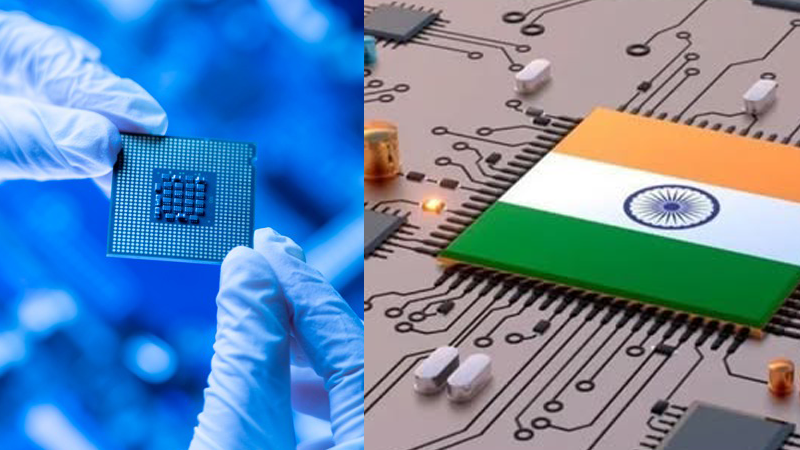
At the heart of the discussions were high-impact sectors poised to drive future growth. Semiconductors emerged as a strategic focus, with both nations recognizing their critical role in global technology resilience, AI advancement, and supply chain security. A dedicated framework agreement on semiconductor cooperation was signed, alongside commitments to collaborate in digital technologies, fintech, health, and food security. This aligns with India’s push for self-reliance in critical technologies and Malaysia’s established strengths in electronics manufacturing, potentially fostering joint ventures, technology transfers, and investment flows that benefit both economies.
Trade and investment received renewed impetus through enhanced facilitation measures, including greater use of local currencies—the Indian Rupee and Malaysian Ringgit—for bilateral settlements. The CEO Forum held during the visit opened new avenues for business collaboration, with leaders highlighting opportunities in infrastructure, renewable energy, advanced manufacturing, and green technologies. These steps reflect a pragmatic approach to deepening economic interdependence amid global uncertainties.
Defence and security cooperation featured prominently, building on regular exchanges, joint exercises, and industry partnerships. Both sides committed to expanding ties in these domains, emphasizing shared interests in Indo-Pacific stability and maritime security. The unequivocal condemnation of terrorism in all forms, including cross-border terrorism, stood out as a clear diplomatic signal. Prime Minister Modi’s assertion—“no double standards, no compromise”—echoed in the joint statement, which called for zero tolerance, combating terror financing, and preventing misuse of emerging technologies for terrorist purposes. This unified stance marks a positive evolution in Malaysia’s engagement on the issue, reinforcing regional consensus against threats that transcend borders.
The visit yielded around 11-16 agreements and initiatives, spanning disaster management, anti-corruption efforts, UN peacekeeping, social security for workers, audiovisual co-production, vocational training, and wildlife conservation through the International Big Cats Alliance. These multifaceted outcomes demonstrate a holistic partnership that extends beyond economics to people-to-people and cultural ties.
In an era of geopolitical flux, Modi’s visit underscores India’s Act East Policy and Vision MAHASAGAR, positioning Malaysia as a key ASEAN partner. By prioritizing strategic trust, technological synergy, and uncompromising security cooperation, both nations are charting a pathway toward resilient, mutually beneficial growth. This engagement not only strengthens bilateral bonds but also contributes to broader Indo-Pacific peace and prosperity.

 SAS Kirmani
Most Popular

Speed of light: The cosmic limit that shapes our universe
September 17, 2025
Beats did announce something, after all
September 17, 2025