Editorial
A Timely Lifeline for India’s MSMEs
The passage of the Micro, Small and Medium Enterprises Development (Amendment) Bill, 2026, by the Rajya Sabha on Monday marks a significant step towards addressing one of the most persistent vulnerabilities of India’s economic backbone. Amid Opposition protests that disrupted proceedings, the Upper House cleared legislation aimed at tackling chronic payment delays, enforcing strict timelines for dispute resolution, and easing liquidity pressures on MSMEs. While the chaotic atmosphere in Parliament reflects the current political climate, the substance of the Bill deserves measured appreciation.
MSMEs contribute nearly a third of India’s GDP and employ millions. Yet delayed payments from larger buyers—especially public sector entities—have long choked their cash flows, forcing many into debt or closure. The MSME Samadhaan portal has recorded over a lakh such cases involving claims worth tens of thousands of crores. The new law seeks to change this by mandating Central Public Sector Enterprises to settle invoices through the Trade Receivables Discounting System (TReDS), enabling faster financing against receivables. States may extend similar rules to their enterprises.
Equally important are the prescribed timelines: mediation must conclude within 90 days, failed mediation must move to arbitration within 30 days, and awards must be delivered within 90 days of pleadings. Courts can order payment of at least 50 per cent of the awarded amount if challenges drag beyond six months. Mediated settlements and arbitral awards can be recovered as arrears of land revenue—giving the provisions real teeth. The Bill also introduces a national digital registration platform and replaces certain criminal penalties with graded fines, reducing the compliance burden.
These measures are pragmatic rather than revolutionary. They build on existing mechanisms while recognising that justice delayed is often justice denied for small enterprises that lack the resources to fight prolonged legal battles. Union Minister Jitan Ram Manjhi rightly highlighted the sharp rise in credit flow to the sector, but credit alone cannot substitute for timely payments. Liquidity is oxygen for MSMEs; without it, even well-capitalised units struggle to survive.
Implementation will determine success. Facilitation councils must be strengthened and adequately staffed. TReDS adoption needs monitoring. Buyers—public and private—must internalise the cultural shift towards prompt settlement. Political theatrics should not overshadow the economic imperative. A vibrant MSME sector is essential for employment, exports, and inclusive growth. This Bill, if executed with sincerity, offers these enterprises a fairer chance to thrive. Parliament’s duty now is to ensure the law works on the ground, not merely on paper.
Fortifying Trust After the Leak
The National Testing Agency’s decision to float a ₹7.5-crore tender for round-the-clock professional security services is a necessary, if belated, response to the NEET-UG 2026 paper-leak controversy. Issued on 25 July, the tender seeks to safeguard the agency’s headquarters on Minto Road, its regional office in Okhla, storage facilities, server rooms, strong rooms, warehouses and other critical infrastructure. The two-year contract, extendable by two further years, forms part of a wider administrative overhaul that also includes secure printing and housekeeping services. The Centre’s simultaneous assurance to the Supreme Court that it will explain every step of the NEET process—from printing to delivery—signals official recognition that public confidence has been severely dented.
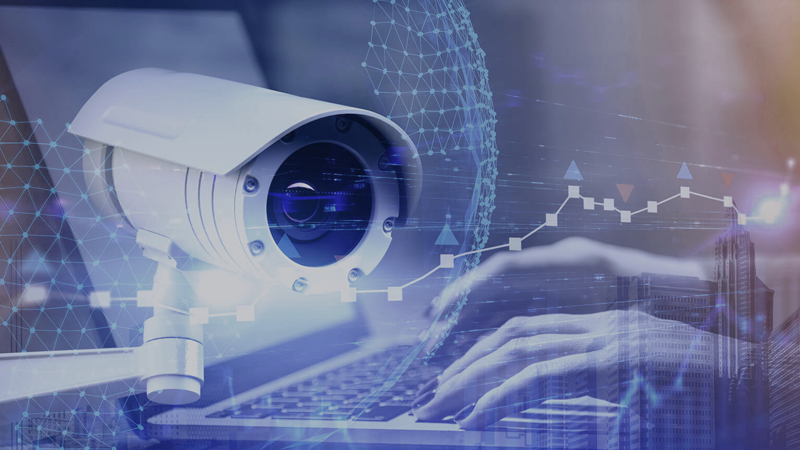
Paper leaks in high-stakes examinations are not merely administrative failures; they strike at the heart of meritocracy and social mobility. For millions of aspirants who invest years of preparation and scarce family resources, any breach of integrity feels like institutional betrayal. The 2026 episode, coming after earlier controversies, has intensified demands for systemic reform. Physical security of premises and materials is an obvious starting point. Continuous access control, visitor tracking and protection of confidential documents can close some of the loopholes that have repeatedly been exploited. Technology—biometrics, CCTV, GPS-enabled monitoring—must complement manpower if the system is to become truly robust.
Yet security contracts alone will not restore faith. The deeper problems lie in process design, accountability and transparency. Question-paper setting, printing, transportation, storage and distribution form a long chain in which a single weak link can compromise the entire exercise. Decentralisation without airtight protocols, reliance on third-party vendors, and insufficient real-time oversight have repeatedly created vulnerabilities. The NTA must move beyond reactive measures towards preventive architecture: multi-layered encryption, randomised paper sets, independent audit trails and stringent background checks for all personnel involved.
Equally important is institutional accountability. When leaks occur, investigations must be swift, transparent and consequential. Students who suffer the consequences of cancelled or compromised examinations deserve clearer timelines, better communication and, where warranted, compensatory measures. The Supreme Court’s continuing scrutiny provides an opportunity for the government to present a comprehensive reform roadmap rather than piecemeal fixes.
India’s examination system is among the world’s largest. Its credibility is a public good that cannot be compromised. The ₹7.5-crore security tender is a step in the right direction, but only one step. Lasting restoration of trust will require technology, process redesign, independent oversight and a culture of zero tolerance for negligence or collusion. Anything less will leave the next generation of aspirants still vulnerable to the same recurring failures.
 SAS Kirmani
Most Popular

Speed of light: The cosmic limit that shapes our universe
September 17, 2025
Beats did announce something, after all
September 17, 2025