Editorial
Putin–Modi Summit: A Test of India’s Strategic Nerve
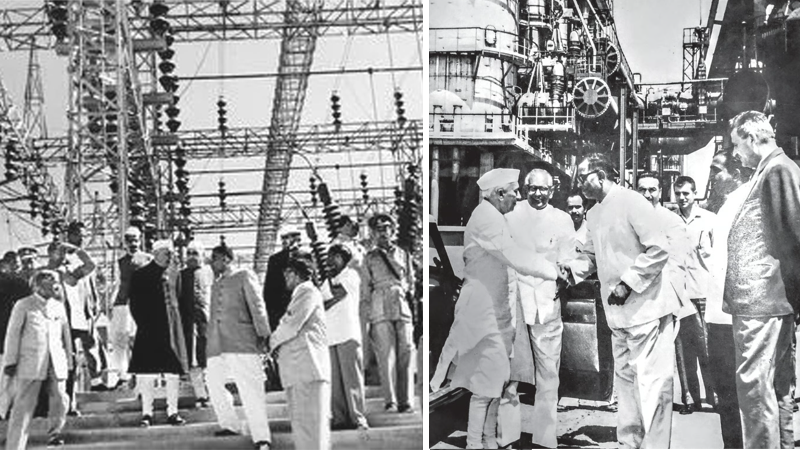
Russian President Vladimir Putin’s December 4 visit to India comes at a time when global geopolitics is more polarised than at any point in the last decade. While New Delhi insists that its foreign policy is driven solely by national interest, the optics and timing of the summit inevitably invite scrutiny. The Modi government now faces the difficult task of balancing its long-standing ties with Moscow against the growing weight of Western displeasure—particularly from the United States—over India’s continuing defence and energy engagement with a Russia deeply entangled in sanctions and diplomatic isolation.
The agenda itself is ambitious: additional S-400 systems, potential discussions on the Su-57 aircraft, renewed energy cooperation, and alternative payment mechanisms aimed at bypassing sanctions. Yet this vision sits uneasily with India’s professed goal of strategic diversification and self-reliance in defence. It raises a fundamental question: can India genuinely reduce dependence on foreign suppliers while simultaneously doubling down on legacy partnerships that have repeatedly been affected by delays, spare-parts shortages, and sanction-induced uncertainties?
Moreover, the optics of welcoming Putin at a time when much of the world is recalibrating its stance on Russia could undercut India’s carefully curated image as a rising global mediator and responsible power. New Delhi risks signalling that transactional benefits outweigh broader geopolitical principles—an impression it has tried hard to avoid, especially as it deepens relationships with the US, Europe, and Indo-Pacific partners.
India’s challenge is not in engaging Russia, but in doing so without appearing diplomatically tone-deaf. A summit that yields grand announcements without addressing structural vulnerabilities—currency mechanisms, technology transfer, delivery delays—will only reinforce the view that India’s Russia policy is reactive rather than strategic.
Ultimately, this meeting is less about agreements and more about whether India can navigate old loyalties without compromising new ambitions.
Bhopal Gas Tragedy Anniversary: A Reminder the World Continues to Ignore
The 41st anniversary of the Bhopal Gas Tragedy on December 3 is not merely a ritualistic moment of remembrance—it is an indictment of how little has changed in the realm of corporate accountability, industrial safety, and justice for victims. On that fateful night in 1984, more than 3,000 people died instantly, and over half a million were exposed to deadly methyl isocyanate gas from the Union Carbide plant. Four decades later, the tragedy still casts a long, painful shadow over India’s industrial landscape and the global debates on corporate ethics.
What remains most disturbing is the stark contrast between the scale of the disaster and the inadequacy of the justice delivered. Union Carbide’s top executives evaded meaningful punishment, the compensation provided to victims was paltry, and the environmental contamination around the plant continues to haunt generations. Even today, groundwater in parts of Bhopal shows alarming levels of toxic chemicals, and children born to affected families suffer from illnesses linked to lingering contamination. If a tragedy of this scale had occurred in the West, the corporate and governmental accountability mechanisms would likely have operated far more aggressively. The global silence around Bhopal reveals a troubling hierarchy in how human lives are valued.
India too must share responsibility. For years, successive governments failed to aggressively pursue legal remedies or force multinational corporations to clean up abandoned sites. Regulatory systems remain reactive rather than preventive. Industrial hubs across the country still host hazardous plants operating with weak monitoring and insufficient safety audits, leaving millions at risk of future disasters. The anniversaries of Bhopal must not be reduced to symbolic candlelight vigils; they must be moments of reckoning.
The world has learned too little from Bhopal. Global corporations continue to operate in developing nations with lower safety thresholds, and profit-driven structures often supersede the wellbeing of workers and communities. India’s push for rapid industrialisation must not compromise the basic standards that protect lives. Strengthening environmental tribunals, enforcing strict liability, mandating transparent safety audits, and ensuring that multinationals are held accountable on par with domestic firms are essential reforms.
On this 41st anniversary, the moral question remains: how many more Bhopals must occur before we prioritise human dignity over corporate greed? Remembering is not enough; systemic change is the only meaningful tribute to the victims.

 SAS Kirmani
Most Popular

Speed of light: The cosmic limit that shapes our universe
September 17, 2025
Beats did announce something, after all
September 17, 2025